
So, we’re doing this hybrid work thing. Now what?
You know what I miss? The drive home.
Not the traffic, of course. Nobody misses that. I miss the mental switch. That ten-minute buffer between office craziness and opening my front door where I could just… decompress. Listen to some crummy radio. Process the day.
Now? My office is only ten steps from my kitchen. The “commute” is me walking from my laptop to the fridge. And sometimes, I don’t even really clock out. I just… linger. Send one more email. Fix one more typo.
This is the chaotic reality of our new world. We battled for the convenience of working from home, and we achieved it. And now we’re finding out that integrating work and life is much more complicated than we imagined. The solution everyone’s coming around to is “hybrid.” But in all honesty, most of the strategies I’m hearing tend to sound like they’ve been dictated by somebody who’s never actually had to multitask a Zoom meeting and a yapping dog.
So, let’s get past the corporate doublespeak. What is a hybrid model that won’t actually drive us all crazy like? Based on conversations with my friends and my coworkers and just suffering through it myself, it’s not about some fancy policy. It’s about some basic, human realities.
- First, we need to eliminate this "us vs. them" mentality. My friend Dave has a company that requires three days in the office. The catch? The top executives are hardly ever present. So the junior staff are all sitting at their desks, being compliant, while the top executives are working from their lake homes. It's generated this terrible, unspoken resentment. A true hybrid model can't have two classes of citizens. If the team is together, and even one member is offsite, the entire meeting needs to be remote-first. That is, everyone calls in from a laptop of their own, even if you're sitting side by side. Sure, it does feel a little goofy initially, sitting in a conference room wearing headphones. But you know what? It means the guy who's at home can actually hear and contribute. It makes them a part of it, not a spectator. It's about dignity.
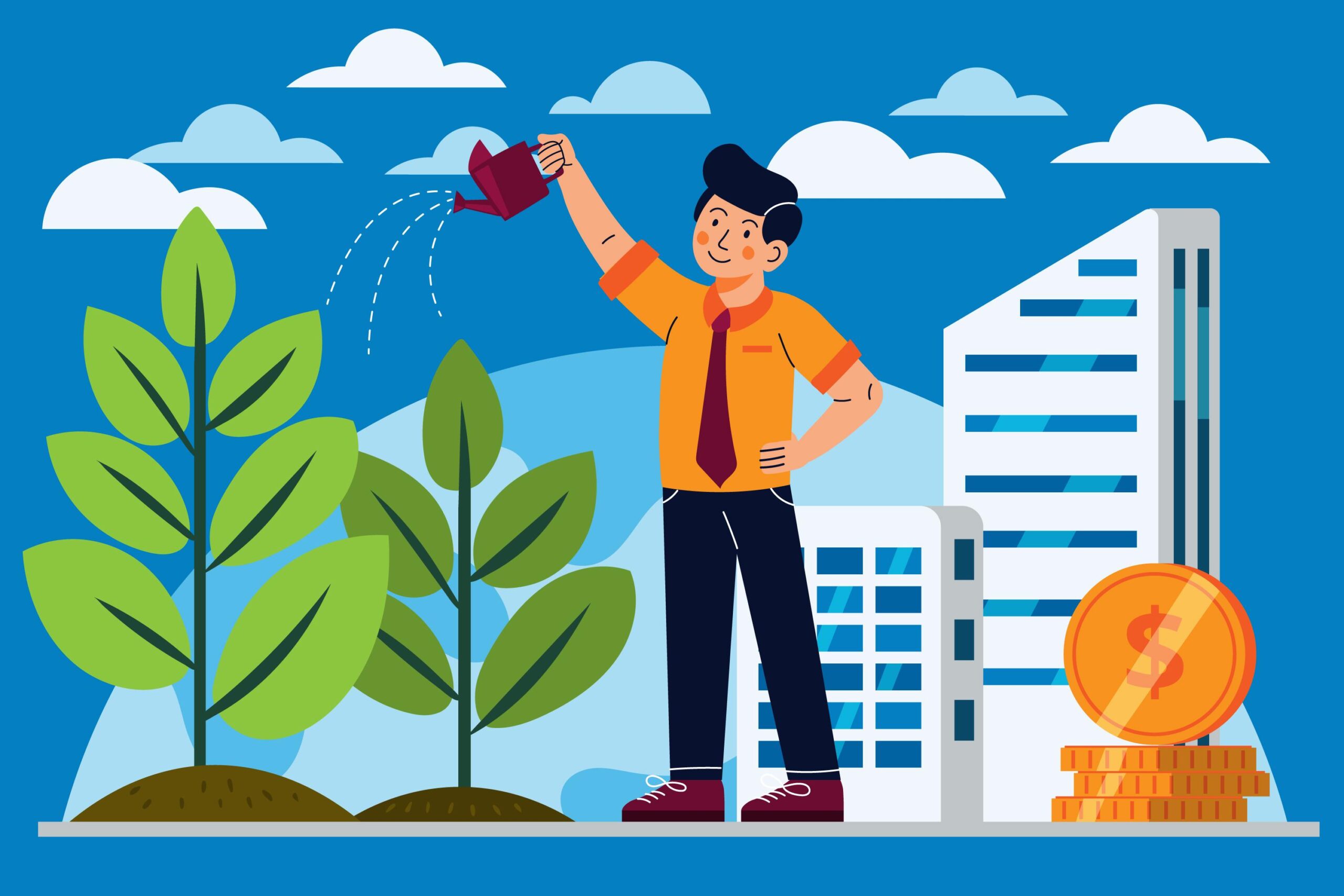
Second, the office must have a purpose to exist.
Why should I drive an hour, pay for parking and gas, and wear actual pants? It has to be for something I can’t accomplish at home.
If I’m commuting into the office solely to sit on the same Zoom meetings I can do from my kitchen, then the model is broken. The office should be reserved for the human things. The impromptu collaboration. The whiteboard meetings. The team lunches.
We have to lose the mentality of the office as a place to work and gain the mentality of the office as a place to connect. Rearrange the space. Get rid of banks of quiet cubicles and add more open spaces for conversation, brainstorming, and just plain laughing together. Make it a destination people desire, not a place they’re obligated to go to.
Third, and this is the big one: trust is the only thing that matters.
If your manager is tracking your mouse movements or counting the minutes you’re “active” on Slack, the hybrid model is already dead. You’ve built a model on surveillance, not trust.
The adjustment we must make is from measuring hours to measuring output. It doesn’t matter that Sarah works best from 6 AM until 2 PM so she can take her kids from school. It doesn’t matter that Mark is a night owl who smashes his projects after supper. What does matter is: is the work actually getting done? Is it quality work? Are they on call for their team?
You Might Be Interested In
No Posts Found!
This takes a tremendous leap of faith on the part of managers. They must surrender control. And it takes maturity on the part of employees. We have to own up. It’s a new social compact.

Hybrid work isn’t just a policy shift — it’s a human one. We won the right to work from home, but now we’re learning how hard it is to switch off when the office is ten steps from the kitchen. The answer isn’t more rules; it’s more trust.
A real hybrid model means no “us vs. them” divide, an office designed for connection not attendance, and managers who measure output, not mouse movement. It’s about creating spaces — physical and digital — where collaboration, laughter, and genuine trust can thrive.
The future of work isn’t remote or in-office. It’s human — messy, flexible, and built on conversations, not control.
- The Global Titians
The Little Things Make a Big Difference.
It’s the small, human moments we’ve lost that are most difficult to replace. The “how was your weekend?” at the coffee machine. The brief, “Hey, can I run something by you?” that prompts a great idea.
We need to be deliberate about recreating this. One group I know has a “virtual watercooler” Slack channel where they just share stupid memes and pictures of their pets. Another manager I know periodically pairs two individuals up for a 15-minute video coffee break every week, just to chat about something other than work. It’s awkward, yes. But so were team-building activities at the office. The idea is to make space for connection to occur.

The Bottom Line.
We’re all figuring this out as we go along. There isn’t a perfect playbook. A successful hybrid model is not a codified set of rules—it’s a culture. It’s a culture of trust, of flexibility, and of keeping in mind that we’re all just people trying to do good work while living our lives.
It’s about providing me with the ability to work from home when I must concentrate and providing me with a valid reason to come into the office when I must collaborate. It’s recognizing that at times the best thing I can accomplish is stepping out for a walk in the middle of the day, and at times the best thing I can do is meet a coworker for a beer after work.
The future of work is human. Messy, complicated, and beautifully human. Let’s not mess it up with a bunch of inflexible policies. Let’s just chat to one another, work out what works, and construct it together.