

India’s Startup Boom 2025: The Next Silicon Valley? Let’s Get Real.
Hello everyone,
Let’s get real. If you’ve been anywhere near business news in the past few weeks, you’ve heard the headlines yelling about India’s startups. It’s all “record funding” and “unicorn mania.” It’s fun, I guess. But as one who’s been following this space for a bit now, I have to ask: Is India actually going to be the next Silicon Valley?
Before you roll your eyes, listen to me. This isn’t a hype piece. We’re actually going to cover what’s actually going on on the ground. We’ll discuss the great energy, but we’ll also discuss the potholes on the road. Because that’s the only way to get the full picture.
First, The Good Stuff: Why Everyone’s So Excited
Let’s not be cynical. What’s unfolding in India is nothing short of remarkable.
- It’s a Numbers Game, and India is Winning: We’re not just talking about a few tech whizzes in Bangalore. We’re talking about a massive, young, tech-savvy population. Over half the country is under 30. They’re not just using smartphones; they’re building businesses on them. This creates a domestic market so huge it’s almost unimaginable. Consider this: taking on a problem for only 1% of India's population is equivalent to catering to a medium-sized European nation. That's a scale entrepreneur's aspiration.
- The "Phone-First" Revolution: It's time to forget the West's "mobile-first" mindset. For millions of Indians, the smartphone is their first computer, first bank, and first supermarket. This has compelled entrepreneurs to think differently than Silicon Valley ever needed to. They're developing applications that run on bad networks, use small data, and have several local languages supported. This is not innovation alone; it's inclusive innovation. Paytm and PhonePe didn't merely invent digital wallets; they enrolled millions of individuals in the formal economy for the very first time. That's a game-changer.
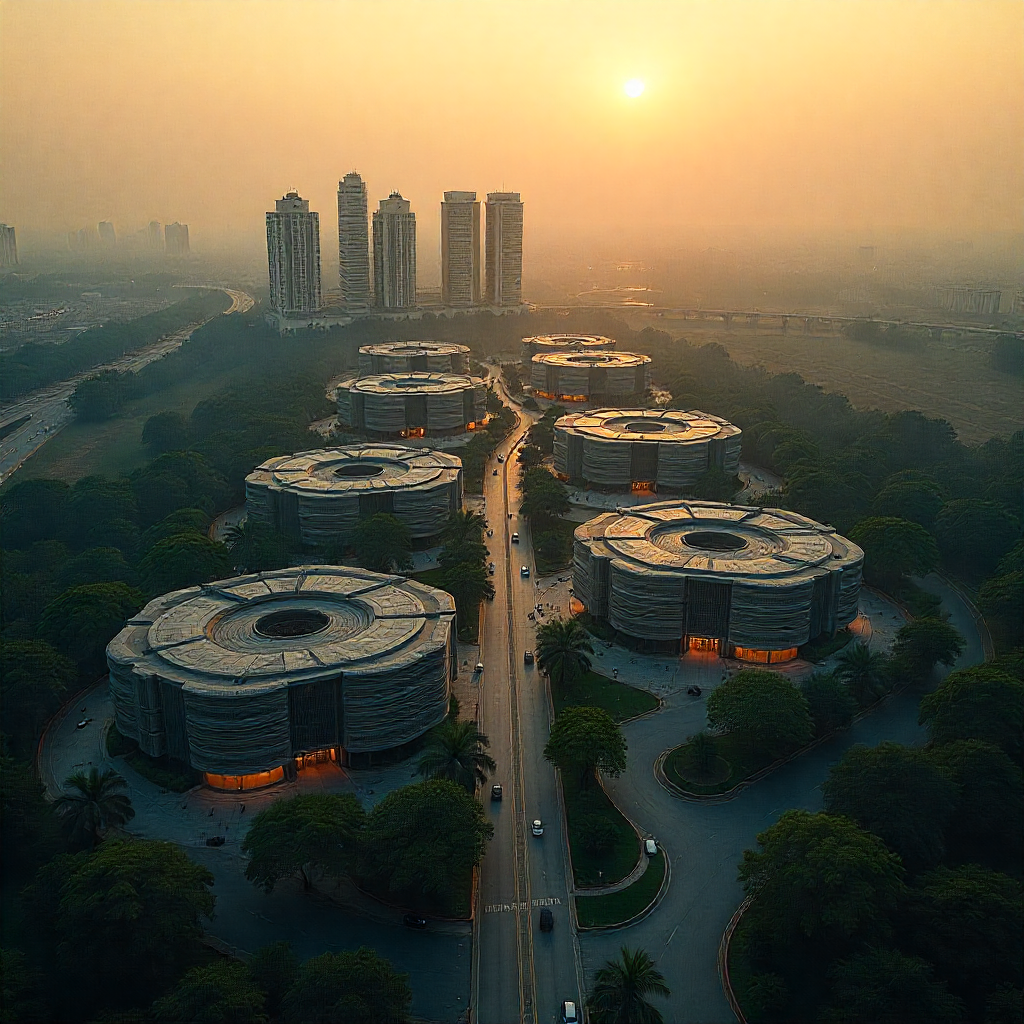
Government Is (Actually) Helping: A few years ago, this would have been a joke. But programs like Startup India and Digital India have genuinely smoothed the path. We’re seeing easier regulations, tax benefits, and a real push to make doing business less of a paperwork nightmare. It’s not perfect, but the intent is there. The government sees startups as an engine for job creation and global prestige, and they’re finally starting to act like it.
The “Returning Home” Wave: For generations, India’s best and brightest had headed to the US to go to college and get a job. Now, an increasing number are returning. They’re bringing their experience at Google, Microsoft, and Goldman Sachs back with them. They’ve learned how to do it on a global scale, and they’re merging that with a strong sense of native issues. This brain is giving the system a massive shot in the arm of talent and confidence.
You Might Be Interested In
No Posts Found!
Alright, now for the reality check. The Obstacles on the Track.
It’s not all rainbows and funding rounds. In order to be a serious global leader, India needs to overcome some serious obstacles.
“You know what gets me frustrated? Coming into a demo day and seeing the tenth ‘Uber for Dog Walkers’ of the month. Look, I understand—it’s safe to replicate a successful formula. But let’s be honest: that’s a short-term game. The companies that will end up really making a difference in ten years aren’t just iterating on an app. They’re the ones in a lab, attempting to crack a fundamental problem nobody’s solved yet. Are we creating another new shiny feature, or are we making the next internet?”

India’s startup scene in 2025 is booming — but not in a copy-paste “next Silicon Valley” way. It’s carving its own path. With a young, tech-savvy population, a phone-first market, and growing government support, innovation is exploding across sectors. Add to that a wave of global talent returning home, and you’ve got serious momentum.
But the road isn’t smooth — profitability remains elusive, bureaucracy still slows things down, and most success stories are clustered in big cities. The real test will be spreading that energy to smaller towns and building sustainable, not just flashy, businesses.
In short: India doesn’t need to become Silicon Valley. It’s building “Startup Bharat” — grounded, inclusive, and made for a billion people
- The Global Titans
Profitability is a Dirty Word This could be the largest open secret. Far too many Indian unicorns are feted for their valuation rather than their bottom line. Growth at any cost has been the mantra, driven by venture capital that requires scale at breakneck speed. But when the funding winter arrives, what then? Sustainable businesses are profitable. The gaze is gradually drifting away from “burn rate” and towards “revenue,” and that’s a healthy, needed development. A startup is not a true business until it can demonstrate that it can pay its own bills.
The Bureaucratic Maze: Yes, the government is making an effort. But the reality on the ground for a small startup still can be terribly frustrating. Navigating local legislation, coping with various state-level regulations, and overcoming dated bureaucratic obstacles can consume valuable time and energy better devoted towards product building. It’s as if attempting to run a race carrying a cumbersome backpack.
Outside the Metros: The startup tale is still largely a tale of Bangalore, Delhi, and Mumbai. The actual, unfulfilled potential resides in the tier-2 and tier-3 cities. The talent exists, the ideas exist, but the ecosystem—the mentors, the investors, the infrastructure—doesn’t. For India to really boom, this energy must radiate outwards, outside the traditional hotspots.

So, back to the big question: Next Silicon Valley?
Here’s my opinion. India doesn’t have to be the next Silicon Valley. And, honestly, it probably can’t be.
Silicon Valley is a unique location with a unique history. It’s founded on decades of defense investment, a distinct culture of risk-taking, and a worldwide monopoly on elite university talent.
India’s trajectory is different, and that’s its advantage.
Rather than a “Silicon Valley,” India is creating a “Startup Bharat.”
What does that look like?
It’s solving for the many, not the few. The innovations to emerge out of India are built with scale and accessibility at their core.
It is pragmatic, not merely disruptive. It’s about addressing real, down-to-earth issues—such as logistics and agriculture or education and healthcare—in a way that resonates for a billion people.
It’s a combination of international ambition and domestic sense. The back-to-back talent isn’t simply replicating Silicon Valley; they’re mixing it with Indian sensibilities.
India’s startup ecosystem will be among the world’s top three by 2025, no question. It will be more developed, larger, and more powerful than it is now. It will have created world-class businesses that are household names worldwide.
But it will be something in its own right. It will be messier, more chaotic, and more diverse than Silicon Valley. It will be motivated by a different set of challenges and fueled by a different type of hustle.
So let us cease referring to whether India is the next Silicon Valley. The better question is: What can the world learn from how India constructs its future?