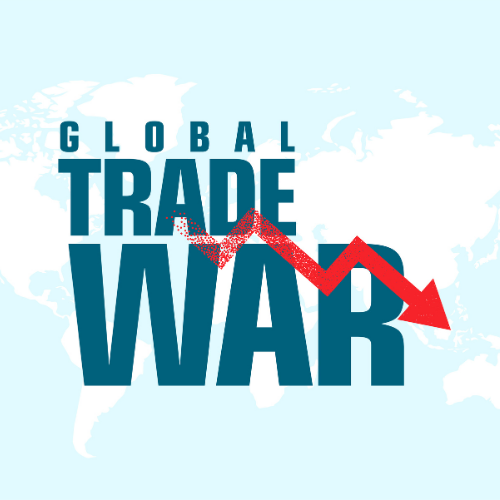
As we are aware, the term “geopolitics” might imply something for suit-clad experts on television news. However, what it actually is about for you and me is easy: it’s about how nations, when they do not agree, employ the tool of trade as an instrument of war. It’s the game of economic chess. And right now, we’re in the middle of a high-stakes match that is reshaping where companies invest, what things cost, and what shows up on our shelves.
We’ve moved past the era of pure globalization, where the goal was to make everything wherever it was cheapest. The new playbook is about “friend-shoring,” “de-risking,” and building fortresses around key industries. It’s a messy, complicated shift, and it’s setting the stage for everything that will happen in the 2025 markets.
The Old Game: A World Built on Efficiency
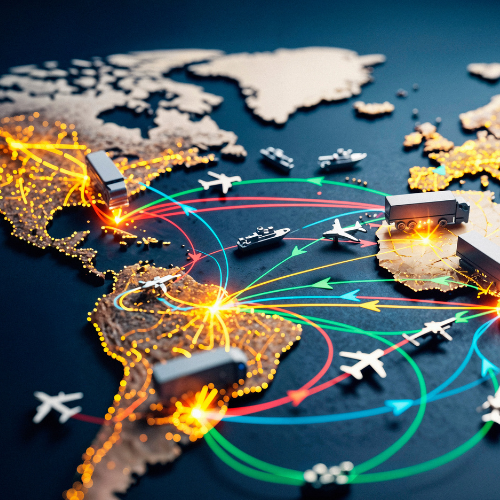
For decades, the mantra for international business was just a straightforward one: go down the road of least effort and lowest expense. Firms developed complex supply chains that wound their way around the world. One product, such as a smartphone, might have its components manufactured in a dozen countries, assembled somewhere else, and marketed everywhere. It was a brilliant formula for keeping costs low to consumers and returns high to corporations. It made a highly interconnected globe in which it was in everyone’s economic best interest to coexist.
But there was a secret weakness in this system. It produced a single point of failure. When a pandemic, a war, or a political conflict struck one link in that worldwide chain, the system tottered. We all experienced that with bare car lots and delayed electronics. That vulnerability awakened the world’s eyes. The drive for pure efficiency, as it turned out, was fraught with enormous risk.
- The New Rules of the Game: It's Not Just About Tariffs Anymore The old trade wars were easy. Country A would impose a tax (a tariff) on Country B's automobiles. Country B would respond with a tax on Country A's agricultural products. It was painful but easy to understand. Economic wars today are different. The tools are more advanced, difficult to defend against, and have lasting effects. Subsidies as the Best Tool: Rather than merely taxing the other fellow's goods, the West is now competing to invest money in its own leading sectors. Consider the U.S. CHIPS Act and Inflation Reduction Act. These are not tariffs; they are massive stacks of government money intended to persuade businesses to produce semiconductor plants and electric battery facilities here, not in Asia. It's a huge incentive to effectively redraw the world industrial map. The intention is to be independent in the next-century-defining technologies of the West. Export Controls as a Chokehold: This is likely the most potent new weapon. It's not making a product costly; it's shutting off access altogether. The American limits on selling high-tech computer chips and equipment to produce them to China are a prime example. This is not a profit skirmish; it's a strategic maneuver to secure a technological advantage. It makes every technology company in the international tech supply chain have to make a hard decision: you can sell to the Western or Eastern bloc, but it's getting ever more difficult to do both.
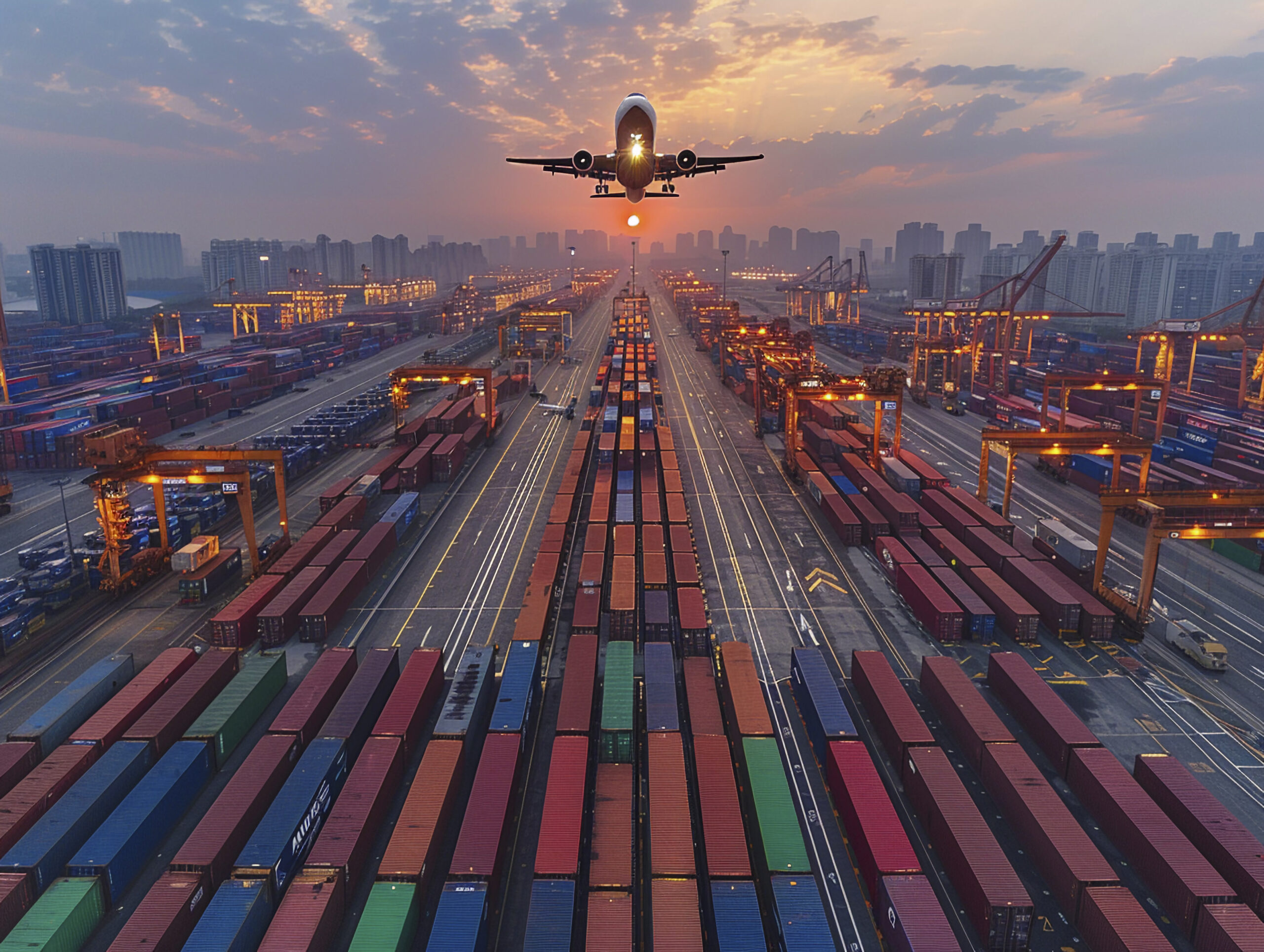
The “De-risking” Dance: You’re hearing this phrase everywhere these days. It’s a nice, diplomatic way of putting it: “We can’t depend on geopolitical competitors for things we absolutely require.” For companies, this does not translate into a complete “divorce.” This means constructing costly fall-back positions. Companies are now developing duplicate supply chains—one for the West and one for the East. It’s wasteful and expensive, but it’s now regarded as the cost of doing business globally. It’s the business equivalent of not having all your eggs in one basket when you know the basket is likely to be kicked over.
How This Changes the 2025 Business Landscape
So, what does this mean for the markets and companies we’ll see in 2025? The effects are already crystallizing and will define the economic landscape.
You Might Be Interested In
No Posts Found!
Higher Costs and “Stickier” Inflation: Let’s be blunt: building a factory in Ohio or Germany is more expensive than building one in Vietnam or Malaysia. Paying for two duplicate supply chains adds tremendous cost. This basic rewiring of global production implies that the days of reliably super-cheap stuff are numbered. The inflation we’re experiencing may become more “structural,” i.e., it’s embedded in the system because of these new facts rather than merely the function of transitory shocks. The bargain flat-screen TV and bargain smartphone may well be fossils of an earlier time.
A Boom in “Safe Bet” Nations: While geopolitics sends companies running, they are investing billions in politically friendly nations. This is the grand redirect of global capital. Consider the huge investments being made in nations such as Mexico, Vietnam, and India. These countries are becoming new production centers for firms seeking to sell into the U.S. and Europe but do not want to confront tariffs or political tensions. Their stock markets, economies, and infrastructure are in line for a big, long-term surge. The most thrilling growth tales of 2025 might not be found in the usual champions, but in these “gateway” countries.
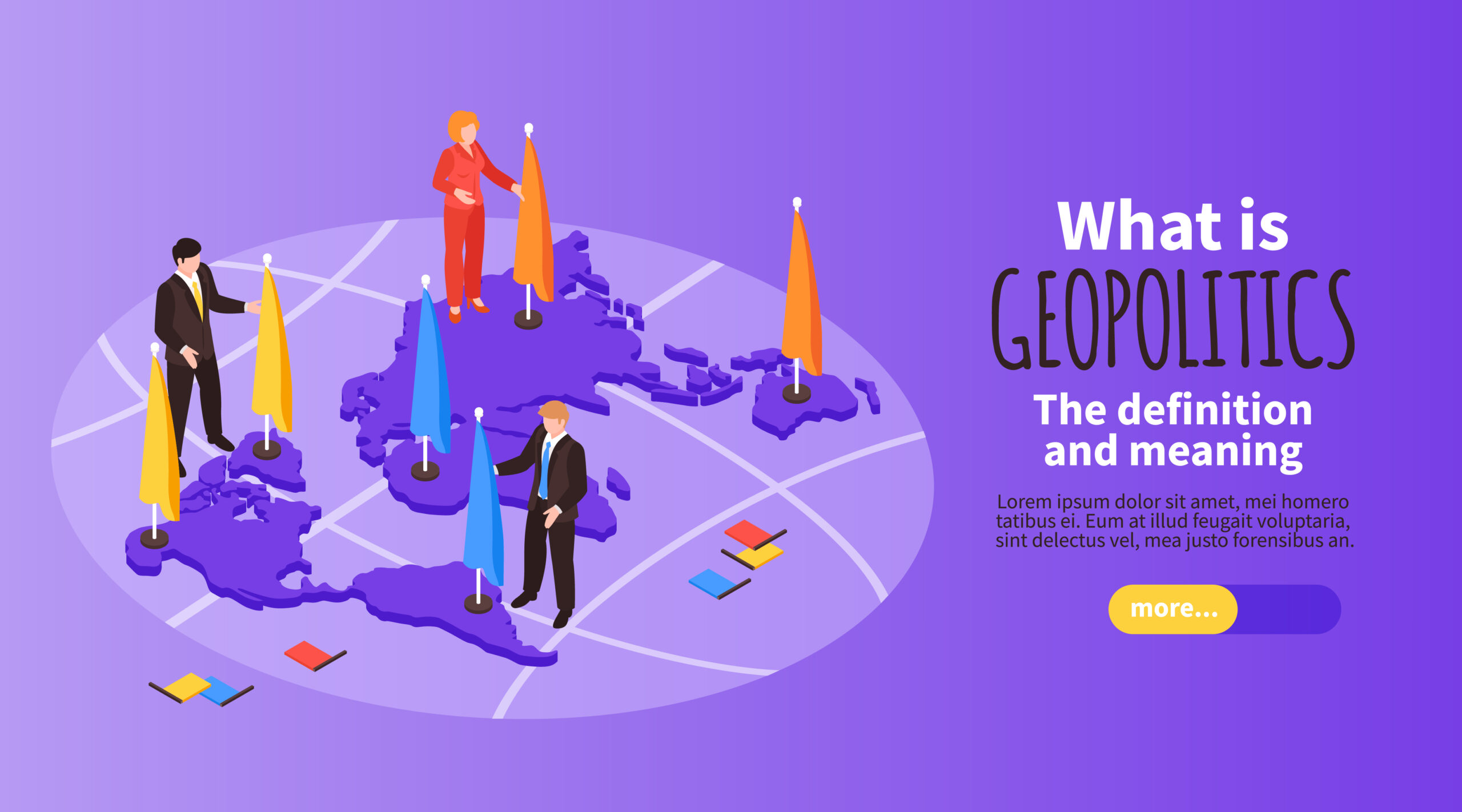
Geopolitics isn’t just for TV pundits—it’s the new game of economic chess shaping everything from prices to investments. The world has shifted from the era of pure globalization, where efficiency ruled, to one defined by “friend-shoring” and “de-risking.” Countries are redrawing industrial maps through massive subsidies, export controls, and duplicate supply chains meant to reduce dependence on rivals.
The result? Higher costs, stickier inflation, and a rise of “safe” manufacturing hubs like India, Mexico, and Vietnam. But this comes with tough trade-offs—between going green and staying secure, between global unity and new regional blocs.
For consumers, that means pricier cars, fewer gadgets on shelves, and volatile markets. The winners of 2025 won’t just be the most efficient companies—they’ll be the most adaptable ones, navigating a world where politics and trade are now inseparable.
- The Global Titans
The “Green vs. Secure” Conundrum: The move to clean power is coming into conflict head-on with the drive for supply chain security. Here’s the issue: China now dominates a whopping portion of the processing of key minerals such as lithium, cobalt, and rare earths—the stuff that EV batteries and solar panels are made of. The economy needs these materials to decarbonize, but de-risking from China makes them more difficult and costly to access. In 2025, governments and businesses will be struggling with this difficult decision: Is it more critical to go green quickly or to be geopolitically secure? The conflict between climate ambitions and national security will be the master theme.
Regional Blocs Are Back: The vision of a single unified world market is disintegrating. Instead, we’re witnessing the resurgence of separate economic universes. There’s an American-led bloc around the Americas, Europe, and major allies such as Japan and Australia. And there’s a China-led bloc strengthening connections in most of Asia, Africa, and Latin America. For a multi-nation company, this requires operating two competing playbooks, which splinters markets and makes it harder to do everything from product development and data storage to marketing and alliances. The one-size-fits-all global brand is a relic of the past.
The Human Bottom Line:
What It Means to You
For the ordinary person, all this may be far away, the province of boardrooms and international gatherings. But it impacts them in practical, concrete ways.
Your Purse: The new vehicle you plan to purchase in 2025 could well be a lot pricier. Why? Because rules could mandate that a portion of its battery parts need to come from North America or allied nations, which presently is a costlier endeavor. The EV subsidies are wonderful assistance, but they can’t entirely eliminate this underlying cost driver.
Your Choices: The latest gadget or video game console you’re excited about might be in short supply. A disruption in the now-strained chip supply chain, or a new export control, can create shortages and long waiting lists. The era of taking product availability for granted is over.
Your money and your retirement account or investment portfolio are directly vulnerable to these changes. Companies most dependent on broken supply chains or caught on the wrong side of a geopolitical fault line could experience lower growth and increased volatility. In contrast, companies in industries such as industrial manufacturing, domestic energy, and defense could experience a tailwind. Where a firm operates is fast becoming as crucial as what it sells.
Looking Ahead: The New Normal
Today’s trade wars are not a passing spat. They are the beginning of the new world economic order. They are stealthily shaping the terrain of tomorrow’s economy, deciding which sectors succeed, which places boom, and what type of decisions—and cost—we all live with.
Most successful businesses in 2025 won’t be those that are simply the most efficient. They are the ones who will be the most flexible, politically astute, and adept at getting through this new world where the map of international trade is being ripped up and rewritten in real time. For all of us, grasping this change isn’t simply about business headlines; it’s about grasping the forces that will make our jobs, our wallets, and our future.