

The Kids Are Coming: What Happens When Gen Z and Alpha Arrive at the Office
So I was in a coffee shop last week, attempting to work, and couldn’t help but listen in on the conversation at the table next to mine. This young man—couldn’t have been older than 22—was interviewing for a position. What I noticed wasn’t his experience or qualifications, but the questions he was asking: “What is your company’s digital detox day policy?” “Do you provide mental health breaks?” “How does leadership respond to feedback from entry-level employees?”
I almost spilled my latte. When I was his age, I was lucky to get a job offer. I would never have dared to ask about mental health breaks.
That’s when it struck me: the workplace is going to change in ways we can’t even begin to imagine.
See, we’ve been discussing Millennials for so long, we almost forgot the next wave to come. Gen Z (born between 1997 and 2012) is already upon us, and Gen Alpha (the children born after 2013) is hot on their heels. And trust me, they’re different.
My friend Sarah owns a marketing firm and just brought in a 23-year-old graphic designer. “She sent in her resume as an Instagram-like carousel,” Sarah explained to me, still sounding a little dazed. “It was actually genius—displayed her work, her personality, the whole shebang. But I couldn’t help thinking, “Am I ready for this?”

Who Are These Kids?
I have a niece from this generation, and observing her experience the world has opened my eyes. She’s 19, and she doesn’t know a world without smartphones. She makes videos for entertainment, has side gigs I don’t quite grasp, and once informed me that email is “what old people use.”
But here’s what we’re not getting if we only look at the tech aspect: these children grew up in lockdown. They skipped proms, graduation, and first dates. They learned social skills through screens. And now? They’re starved for contact, but on their own terms.
My niece captured it beautifully: “We want to work with people, not just for them.”
What They’re Bringing to the Table
I was speaking to an owner of a restaurant who had employed a team of Gen Z servers. “To be honest, I thought they’d be a problem,” he confessed. “But you know what? They reorganized our whole ordering process through free apps that they downloaded off the internet. We increased our efficiency by 30% within a month.”
These children don’t view technology as tools—they view it as part of themselves. They can identify inefficiencies we’ve been oblivious to for years. They’re instinctive problem-solvers because they’ve had to solve things out on their own on YouTube and TikTok.
You Might Be Interested In
No Posts Found!
But it’s not all about tech. They possess this intrinsic radar for authenticity. I have a friend named Mark, who works in a retail store, and he said that he had a new employee that asked him in orientation, “When you say we’re like a family here, what does that really mean? Because my old job said that too, but they let go of three people without notice.”
Ouch. But also: good point.

Gen Z and Alpha are walking into offices with questions no one dared to ask before — about mental health breaks, feedback loops, and real work-life balance. They’re not lazy; they’re rewiring what “work” means.
They grew up in crisis, connected through screens, and they crave meaning and transparency, not beanbags and slogans. They don’t just use tech—they breathe it.
Yes, they challenge norms. But maybe that’s the point. They’re forcing workplaces to finally evolve into something more human, more flexible, and more honest.
This isn’t rebellion — it’s a reboot.
- The Global Titians
The Elephant in the Room
Come on—some serious eye-rolling is going on in management offices these days. I’ve heard them all: “They want too much too soon.” “They don’t want to pay their dues.” “They’re always on their phones.”
But what I believe is missing here is that they saw their parents burn out for companies that did not have their backs. They experienced the financial crisis of 2008 deplete retirement funds. They grew up in a pandemic that demonstrated how fast life could change.
So when they query work-life balance, they’re not being selfish—they’re being intelligent. When they seek flexibility, it’s because they’ve realized that you don’t have to be sitting in an office from nine to five in order to be productive.
Making It Work
The businesses that are doing well with these new generations aren’t the ones going out of their way to meet every requirement. They’re the ones actually listening.
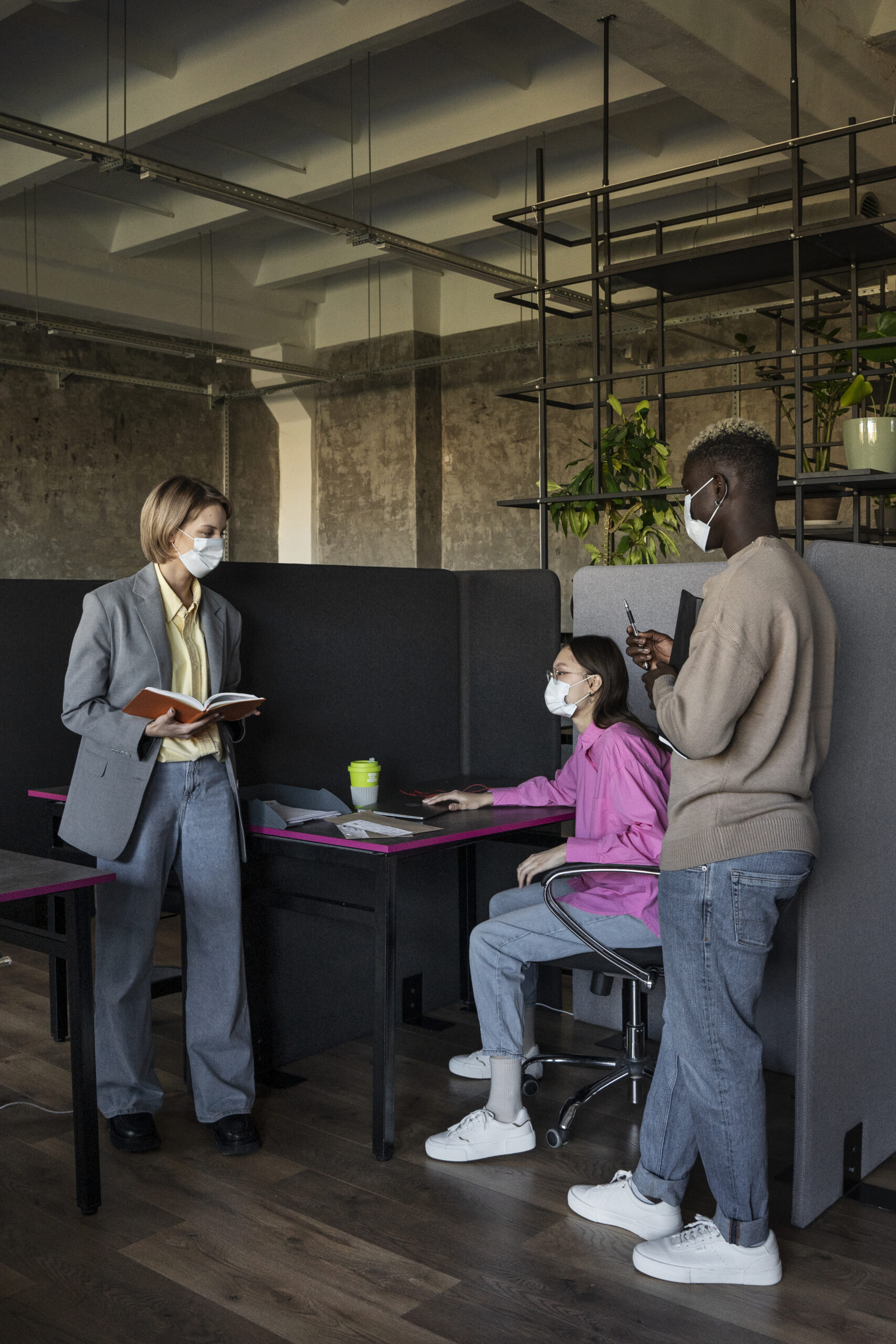
Consider my friend Emily, who owns a small architecture practice. She explained to me how they have instituted “focus Fridays”—no meetings, no e-mails, all deep work. “The Gen Z workers adore it,” she said. “But you know what? So does everyone else. We’ve all been hungry for this for years.”
Another firm began providing “learning stipends” in place of certain bonus funds. Workers may spend it on courses, conferences, or even ceramics classes. “The young workers went wild over it,” the CEO said to me. “It turns out people do not want to stop learning, merely receiving paychecks.”
The Tough Parts
It hasn’t always been easy. One manager at a technology firm told me this anecdote: “I had an employee who was missing deadlines all the time. Finally, when I sat him down, he told me he was ‘overwhelmed.’ In my time, we just toughed it out. But then I caught myself—maybe we shouldn’t have toughed it out? Maybe we should have been discussing it?”
There are communication silos, certainly. The official email threads we know? They view it as red tape. The lengthy meetings? They term it “time theft.” They’re looking for fast, unfiltered communication—Slack messages, voice messages, and short videos.
What’s Actually at Stake
Here’s the thing that keeps me up at night: we have a choice to make. We can either dismiss these new generations as “too much,” or we can recognize that they might be the wake-up call the workplace desperately needs.
They’re demanding better mental health support. They’re insisting on transparency. They’re asking companies to actually live their values. Are these really such unreasonable requests?
My niece said something that remained with me: “We’re not trying to make work harder. We’re trying to make it human again.”
Perhaps that’s what this is all about. Not about generational conflicts, but a course correction. An opportunity to create workplaces that work for all people—not just those at the top.
So the next time a 22-year-old asks you why something has to be done a specific way, perhaps instead of standing up for “the way it’s always been,” take a moment to actually think about the question. The answer may surprise both of you.
What do you think? Have you seen these changes in your workplace? I’d love to hear your tales—this conversation is just beginning.