
The Kids Are Coming: What Happens When Gen Z and Alpha Arrive at the Office So I was in a coffee shop last week, attempting to work, and couldn’t help but listen in on the conversation at the table next to mine. This young man—couldn’t have been older than 22—was interviewing for a position. What I noticed wasn’t his experience or qualifications, but the questions he was asking: “What is your company’s digital detox day policy?” “Do you provide mental health breaks?” “How does leadership respond to feedback from entry-level employees?” I almost spilled my latte. When I was his age, I was lucky to get a job offer. I would never have dared to ask about mental health breaks. That’s when it struck me: the workplace is going to change in ways we can’t even begin to imagine. See, we’ve been discussing Millennials for so long, we almost forgot the next wave to come. Gen Z (born between 1997 and 2012) is already upon us, and Gen Alpha (the children born after 2013) is hot on their heels. And trust me, they’re different.My friend Sarah owns a marketing firm and just brought in a 23-year-old graphic designer. “She sent in her resume as an Instagram-like carousel,” Sarah explained to me, still sounding a little dazed. “It was actually genius—displayed her work, her personality, the whole shebang. But I couldn’t help thinking, “Am I ready for this?” Who Are These Kids? I have a niece from this generation, and observing her experience the world has opened my eyes. She’s 19, and she doesn’t know a world without smartphones. She makes videos for entertainment, has side gigs I don’t quite grasp, and once informed me that email is “what old people use.” But here’s what we’re not getting if we only look at the tech aspect: these children grew up in lockdown. They skipped proms, graduation, and first dates. They learned social skills through screens. And now? They’re starved for contact, but on their own terms. My niece captured it beautifully: “We want to work with people, not just for them.” What They’re Bringing to the Table I was speaking to an owner of a restaurant who had employed a team of Gen Z servers. “To be honest, I thought they’d be a problem,” he confessed. “But you know what? They reorganized our whole ordering process through free apps that they downloaded off the internet. We increased our efficiency by 30% within a month.” These children don’t view technology as tools—they view it as part of themselves. They can identify inefficiencies we’ve been oblivious to for years. They’re instinctive problem-solvers because they’ve had to solve things out on their own on YouTube and TikTok. You Might Be Interested In No Posts Found! But it’s not all about tech. They possess this intrinsic radar for authenticity. I have a friend named Mark, who works in a retail store, and he said that he had a new employee that asked him in orientation, “When you say we’re like a family here, what does that really mean? Because my old job said that too, but they let go of three people without notice.” Ouch. But also: good point. Gen Z and Alpha are walking into offices with questions no one dared to ask before — about mental health breaks, feedback loops, and real work-life balance. They’re not lazy; they’re rewiring what “work” means. They grew up in crisis, connected through screens, and they crave meaning and transparency, not beanbags and slogans. They don’t just use tech—they breathe it. Yes, they challenge norms. But maybe that’s the point. They’re forcing workplaces to finally evolve into something more human, more flexible, and more honest. This isn’t rebellion — it’s a reboot. – The Global Titians The Elephant in the Room Come on—some serious eye-rolling is going on in management offices these days. I’ve heard them all: “They want too much too soon.” “They don’t want to pay their dues.” “They’re always on their phones.” But what I believe is missing here is that they saw their parents burn out for companies that did not have their backs. They experienced the financial crisis of 2008 deplete retirement funds. They grew up in a pandemic that demonstrated how fast life could change. So when they query work-life balance, they’re not being selfish—they’re being intelligent. When they seek flexibility, it’s because they’ve realized that you don’t have to be sitting in an office from nine to five in order to be productive. Making It Work The businesses that are doing well with these new generations aren’t the ones going out of their way to meet every requirement. They’re the ones actually listening. Consider my friend Emily, who owns a small architecture practice. She explained to me how they have instituted “focus Fridays”—no meetings, no e-mails, all deep work. “The Gen Z workers adore it,” she said. “But you know what? So does everyone else. We’ve all been hungry for this for years.” Another firm began providing “learning stipends” in place of certain bonus funds. Workers may spend it on courses, conferences, or even ceramics classes. “The young workers went wild over it,” the CEO said to me. “It turns out people do not want to stop learning, merely receiving paychecks.” The Tough Parts It hasn’t always been easy. One manager at a technology firm told me this anecdote: “I had an employee who was missing deadlines all the time. Finally, when I sat him down, he told me he was ‘overwhelmed.’ In my time, we just toughed it out. But then I caught myself—maybe we shouldn’t have toughed it out? Maybe we should have been discussing it?” There are communication silos, certainly. The official email threads we know? They view it as red tape. The lengthy meetings? They term it “time theft.” They’re looking for fast, unfiltered communication—Slack messages, voice messages, and short videos. What’s Actually at Stake Here’s the thing that keeps me up
The Rise of AI Influencers: Game-Changer for Marketing?
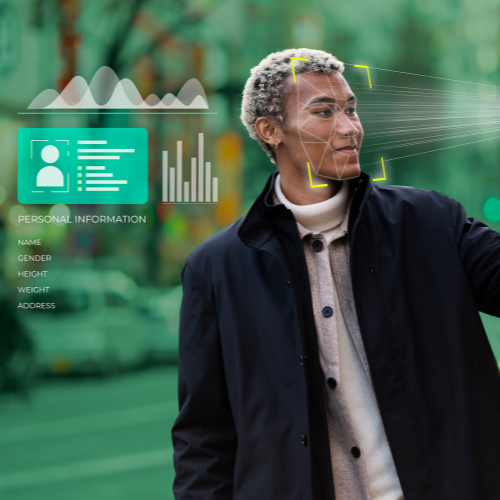
Say Hello to Your New Brand Ambassador: She’s Fake, Flawless, and Hijacking Your FeedOkay, let’s chop the corporate jargon for a minute. You’ve scrolled by. The improbably chiseled faces and impossibly styled hair, peddling energy drinks and designer handbags from a high-rise apartment in the future. They’re AI influencers. And if your initial thought was, “Wait, she’s not even REAL?!”—you’re with me. It’s a strange sensation, right? As if you’ve entered a sci-fi novel. My friend at a fashion brand DM’d me last week: “Dude, we just inked a deal with an influencer who isn’t real. My mind is blown.” It’s real. Currently. And it’s making every single marketer ask a hard question: Is this actually a game-changer, or are we all just being tricked by a very pretty, very costly PowerPoint slide? I’ve gone down the rabbit hole with this one. I’ve reviewed the analytics, I’ve viewed the engagement metrics, and I’ve had late-night arguments over the morality of it all. Here’s my no-BS, from-the-trenches commentary on what it all signifies for your 2024 and beyond marketing strategy. So, what in the world is an AI influencer, really? Forget all the technical mumbo-jumbo. Picture this: a group of writers, artists, and coders sit down and literally design a human being from scratch. They don’t merely create a face; they construct a soul. They assign them a name, a personality, a rich history (“She’s a Tokyo DJ and philosophy major who enjoys retro sci-fi and saved three cats”), and a visual aesthetic you can’t look away from. Then, they use fancy animation software (think next-level video game graphics mixed with movie-grade CGI) to bring this character to life. The result? Someone like Lil Miquela—who has millions of followers, has worn Dior, and even “released” a music single. Or Noonoouri, a tiny, wide-eyed character who champions sustainable fashion and somehow makes it look cool. They post selfies, they “travel,” and they have hot takes on current events. They have friend groups with other AI influencers. They are, for all practical purposes, digital humans existing in our analog world. It’s totally crazy. Why Marketers Are Secretly Obsessed (And You Would Be, Too)Let’s be brutally frank for a moment. Dealing with a list of human influencers can be an absolute nightmare. I’ve heard horror stories from brand managers that would curl your hair—last-minute cancellations, diva behavior, and the constant threat of a career-destroying scandal derailing a six-month campaign. You Might Be Interested In All Posts Uncategorized The Science Behind Building Healthy Habits Exploring the Evolution of Modern Digital Art Why Mindfulness Is Key to a Balanced Daily Life The Influence of Art on Contemporary Styles The Ultimate Guide to Sustainable Living AI influencers, theoretically, eliminate nearly all of that. Which is why the C-suite is so eager. They Never Have a “Bad Day”: Your million-dollar campaign will never be sidetracked because your influencer wanted to share a provocative political tirade at 3 a.m. There’s no ego, no scandals, and no shocking cancellations. The brand message is always on target. For a risk-averse brand, this is a wish come true. They work 24/7/365. Think of releasing a new smartphone in London, New York, and Tokyo simultaneously. Your AI superstar can be everywhere, communicating in the local language, without ever having to board a plane or deal with jet lag. The scalability and reliability are crazy. They are the ultimate global citizen. AI influencers are no longer sci-fi—they’re selling your sneakers and skincare right now. Brands love them because they’re flawless, tireless, scandal-proof, and endlessly customizable. They don’t age, complain, or post political rants. But perfection comes at a cost. These digital faces raise questions about authenticity, ethics, and the future of creative jobs. Can consumers really trust someone who doesn’t exist? The truth is, AI influencers aren’t replacing humans—they’re redefining roles. The smartest brands will mix both: human warmth for connection, digital avatars for imagination. The future of influence isn’t fake—it’s augmented. – The Global Titians Creativity on Steroids: You’d like your influencer to dance within a nebula to launch your new audio brand? No problem. You’d like them to miniaturize the watch component size to highlight the engineering? Simple. Anything is possible creatively because you’re not constrained by, you know, physics, logistics, or a fear of heights that a model might have. You’re constrained only by the imagination of your creative team. They’re an Asset to Your Company, Not an Expense: You’re not simply buying a single, one-time post; you’re creating or acquiring a character—a digital asset. You own it once you have it. There are no renegotiations, no management costs, and no auction frenzies. For long-term brand building, the economics can be incredibly attractive. Yes, but it’s not all good. The Big “Ick” FactorFor all the coolness and control, there are some rather disturbing red flags and ethical issues we can’t simply opt out of. This is where things get murky The “Fake Friend” Vibe, This is the crux issue, the elephant in the room. Effective traditional influencer marketing is because of trust and relatability. We relate to humans because we can empathize with their cluttered, imperfect lives, their failed cooking, bad hair days, and real pleasures. Can we ever really feel that about a robot designed to be flawless? I’m profoundly skeptical. The novelty is great now, but I fear viewers will tire of the perfection. It can be antiseptic and, worse, manipulative. The Honesty Problem: This is the issue that keeps me up at night. Should brands be legally forced to put a disclaimer: “Warning: This is not a real person”? Right now, the rules are fuzzy, but the ethical line feels clear. Failing to disclose feels like a deception. It’s a ticking time bomb for a PR disaster when (not if) a consumer feels genuinely tricked into believing they were engaging with a human. The backlash could be severe. Are We Stealing Jobs? It’s a legitimate and timely question. If a brand can hire a perfect,

Fastest Growing Startup Sectors in 2025
Forget the Hype: These Are the 5 Startup Goldmines You Should Keep an Eye on in 2025Let’s dispel the hype, please. Wherever you look, somebody’s heard somebody calling the “next big thing.” It’s exhausting. But after elbow-deep in investor pitch books and founder pitch decks the past few months, I can tell you that the actual, real growth isn’t where everybody thinks it is. The reality is the most thrilling startups of 2025 aren’t creating yet another social media application or marginally quicker delivery business. They’re solving the huge, unglamorous issues that haunt CEOs and governments in the dead of night. They’re in the industries that are so crucial, their success is practically inevitable. So, if you’re an entrepreneur looking for a real opportunity or an investor looking for a space that is still not saturated, here’s my honest take on where you should be investing your time. Climate Tech: The Trillion-Dollar Cleanup CrewI used to think “climate tech” referred to a pricey solar panel. Boy, was I wrong. This has ballooned into the most urgent area for innovation of all. Why? Because the world now has a consensus: going green is no longer a choice; it’s a multi-trillion-dollar requirement. The smart money nowadays isn’t just on clean power but on what comes next. I’m talking about startups that are, quite literally, cleaning the air. Companies developing direct air capture technology to pull CO₂ directly out of the air are becoming rock stars. Even more insane? They’re finding ways to cash in on that carbon by selling it to soda companies or leveraging it to produce sustainable aviation fuel. It’s a 180—taking our biggest problem and turning it into a commodity. And don’t forget the behind-the-scenes hero: energy storage. We’ve got lots of wind and sun, but we need enormous, grid-scale batteries to capture that energy for a rainy day. Startups that are solving this storage challenge are building the foundation for our whole clean energy future. Honestly, it’s one of the safest wagers you can make. Your AI Colleague is Here to Stay (And It’s a Lifesaver)The frenzy about AI stealing all our jobs is finally dying down, and something much more interesting is taking its place. The real heroes of AI are not building Skynet; they’re building the perfect specialist sidekick. Think about the dullest parts of any professional’s job. Now imagine an AI tool that only does that. I’ve seen startups craft AI co-pilots that handle the mundane in coding so that developers can focus on the creative architecture. I’ve seen AI assistants for lawyers that can sift through a thousand precedents in an hour, or for marketers who split-test ad copy in isolation. This is a movement. These firms aren’t peddling some vague “AI solution.” They’re peddling a blast of productivity for a very specific customer. And I’ll tell you what: when you can walk into a business and promise to double the productivity of their group without hiring bodies, you’ve got their attention. This is where AI gets useful and, frankly, where it starts printing money. You Might Be Interested In No Posts Found! Silver Tech: The Billion-Dollar Opportunity No One NoticedWhile the tech world fixated on millennials and Gen Z for decades, a massive, wealthy, and expanding technology-friendly generation was being nearly completely ignored: our aging population. The “Silver Tech” revolution has now finally arrived, and it’s more than just medical alert bracelets. It’s a total rethinking of later life. I’m excited about companies developing discreet home sensors that can ascertain whether or not the elderly have fallen over or forgotten to brew their morning coffee, sending out an automatic message to a family member. It’s about independence. This sector is brimming with opportunity because the need is so acute. From telemedicine platforms that manage five simultaneous prescriptions to simple social platforms of any kind ready to combat isolation, answers are desperately needed. Building a business here isn’t just profitable; it feels purposeful. It’s a chance to prosper and genuinely do good. Forget the hype — the real startup goldmines of 2025 aren’t chasing likes or faster deliveries. They’re solving the world’s toughest, least glamorous problems. From climate tech cleaning the air and storing clean energy, to AI sidekicks boosting productivity across industries, the future belongs to problem-solvers, not trend-chasers. Silver Tech is redefining aging with dignity, food innovation is brewing protein instead of farming it, and neurotech is literally rewiring the human body. These aren’t fads — they’re the next economic foundations. The winners of 2025 will be the founders obsessed with fixing what actually matters — not the ones building another app nobody needs. – The Global Titians Food’s Sci-Fi Makeover is UnderwayOur grocery stores reflect a failed system. But a new generation of businesspeople is re-imagining it, and what they’re doing sounds like it’s out of a science fiction novel. The most exciting category? Precision Fermentation. This is how microorganisms like yeast are utilized to “brew” real animal proteins. We’re not referring to the generation of real milk proteins from one cow. The environmental benefits are staggering, and the product is identical to what we are consuming today. It is not a veggie burger; it is the real thing, and it is made in a lab. Throw in AI-powered vertical farms that grow sheets of lettuce in a warehouse in downtown Brooklyn, using 95% less water, and you have a complete overhaul of the food chain. This is not some hippie quixotism anymore; it’s where we’re going to feed billions on a rapidly warming planet. The startups here are experimenting with the most fundamental human need: food. Neurotech: Deciphering the Mind to Cure the BodyOkay, this one’s going to spin your head a little, but stick with me. Neurotechnology—techno that interacts with our nervous system—is moving from the realm of pure fantasy into the clinic. Today, the biggest impact is in medicine. I’ve spoken with entrepreneurs who are developing non-invasive headbands that allow a paralyzed person to operate

The Rise of Green Finance: Where Investors Are Putting Billions
So, we’re doing this hybrid work thing. Now what?You know what I miss? The drive home. Not the traffic, of course. Nobody misses that. I miss the mental switch. That ten-minute buffer between office craziness and opening my front door where I could just… decompress. Listen to some crummy radio. Process the day. Now? My office is only ten steps from my kitchen. The “commute” is me walking from my laptop to the fridge. And sometimes, I don’t even really clock out. I just… linger. Send one more email. Fix one more typo. This is the chaotic reality of our new world. We battled for the convenience of working from home, and we achieved it. And now we’re finding out that integrating work and life is much more complicated than we imagined. The solution everyone’s coming around to is “hybrid.” But in all honesty, most of the strategies I’m hearing tend to sound like they’ve been dictated by somebody who’s never actually had to multitask a Zoom meeting and a yapping dog. So, let’s get past the corporate doublespeak. What is a hybrid model that won’t actually drive us all crazy like? Based on conversations with my friends and my coworkers and just suffering through it myself, it’s not about some fancy policy. It’s about some basic, human realities. First, we need to eliminate this “us vs. them” mentality. My friend Dave has a company that requires three days in the office. The catch? The top executives are hardly ever present. So the junior staff are all sitting at their desks, being compliant, while the top executives are working from their lake homes. It’s generated this terrible, unspoken resentment. A true hybrid model can’t have two classes of citizens. If the team is together, and even one member is offsite, the entire meeting needs to be remote-first. That is, everyone calls in from a laptop of their own, even if you’re sitting side by side. Sure, it does feel a little goofy initially, sitting in a conference room wearing headphones. But you know what? It means the guy who’s at home can actually hear and contribute. It makes them a part of it, not a spectator. It’s about dignity. Second, the office must have a purpose to exist. Why should I drive an hour, pay for parking and gas, and wear actual pants? It has to be for something I can’t accomplish at home. If I’m commuting into the office solely to sit on the same Zoom meetings I can do from my kitchen, then the model is broken. The office should be reserved for the human things. The impromptu collaboration. The whiteboard meetings. The team lunches. We have to lose the mentality of the office as a place to work and gain the mentality of the office as a place to connect. Rearrange the space. Get rid of banks of quiet cubicles and add more open spaces for conversation, brainstorming, and just plain laughing together. Make it a destination people desire, not a place they’re obligated to go to. Third, and this is the big one: trust is the only thing that matters. If your manager is tracking your mouse movements or counting the minutes you’re “active” on Slack, the hybrid model is already dead. You’ve built a model on surveillance, not trust. The adjustment we must make is from measuring hours to measuring output. It doesn’t matter that Sarah works best from 6 AM until 2 PM so she can take her kids from school. It doesn’t matter that Mark is a night owl who smashes his projects after supper. What does matter is: is the work actually getting done? Is it quality work? Are they on call for their team? You Might Be Interested In No Posts Found! This takes a tremendous leap of faith on the part of managers. They must surrender control. And it takes maturity on the part of employees. We have to own up. It’s a new social compact. Hybrid work isn’t just a policy shift — it’s a human one. We won the right to work from home, but now we’re learning how hard it is to switch off when the office is ten steps from the kitchen. The answer isn’t more rules; it’s more trust. A real hybrid model means no “us vs. them” divide, an office designed for connection not attendance, and managers who measure output, not mouse movement. It’s about creating spaces — physical and digital — where collaboration, laughter, and genuine trust can thrive. The future of work isn’t remote or in-office. It’s human — messy, flexible, and built on conversations, not control. – The Global Titians The Little Things Make a Big Difference. It’s the small, human moments we’ve lost that are most difficult to replace. The “how was your weekend?” at the coffee machine. The brief, “Hey, can I run something by you?” that prompts a great idea. We need to be deliberate about recreating this. One group I know has a “virtual watercooler” Slack channel where they just share stupid memes and pictures of their pets. Another manager I know periodically pairs two individuals up for a 15-minute video coffee break every week, just to chat about something other than work. It’s awkward, yes. But so were team-building activities at the office. The idea is to make space for connection to occur. The Bottom Line. We’re all figuring this out as we go along. There isn’t a perfect playbook. A successful hybrid model is not a codified set of rules—it’s a culture. It’s a culture of trust, of flexibility, and of keeping in mind that we’re all just people trying to do good work while living our lives. It’s about providing me with the ability to work from home when I must concentrate and providing me with a valid reason to come into the office when I must collaborate. It’s recognizing that at times the best thing I can accomplish

Crypto Regulation in 2025: What Businesses Need to Know
Crypto Regulation in 2025: A Survival Guide for Businesses (No Jargon, I Promise!)Okay, so what about crypto regulation? I know, I know—it’s about as thrilling as reading the back of a cereal box. For years, it’s been this murky cloud looming over the entire industry. Companies like yours were left guessing. Are we even doing something wrong? What if we make a mistake? Well, I’ve been digging deep into it for a final year project, and the huge takeaway is this: 2025 is when everything shifts. The “Wild West” days of crypto are finally going to have some sheriffs and rulebooks. And frankly? That’s good news for businesses that actually want to utilize this tech, rather than betting on it. This isn’t about killing innovation. It’s about trust-building. Consider it this way: you can’t play the newest, hottest video game on a computer from 1995. You want a new OS. All of this regulatory business is really us putting in that new OS. It’s a tedious process; you have to reboot a lot, but after it’s finished, everything else is smoother and faster. So, get a coffee. Let’s pull apart what’s really going down in the crypto world rule and what you, as a company, need to do to not only survive but also absolutely thrive. The World is Getting Its Act Together (Slowly)First up, the global picture. It used to be a total mess. One country would welcome crypto with open arms, while its neighbor would ban it completely. Trying to run an international business was a nightmare. Now, things are starting to crystallize. Major economic powers are finally making their moves. You Might Be Interested In No Posts Found! The US: Still Figuring It Out, But Getting WarmerThe US has never been shy of a little drama when it comes to crypto. You’ve got the SEC (the “stock market cops”) and the CFTC (the “commodity cops”) locked in a perpetual tug-of-war regarding who gets to make the calls. The question of a billion dollars has always been, “Is this particular crypto token a security or a commodity?” From what I’ve been reading, 2025 is when we’re finally getting some real answers. It’s not one giant law but a series of court cases and mini-bills that are gradually placing lines in the sand. The bottom line? If you’re doing something similar to a bank and holding onto people’s money, you’ll be treated similarly to a bank. If you’re operating a trading platform, you’ll be subject to trading platform regulations. It’s getting that straightforward. The crypto Wild West is finally getting rulebooks — and that’s a good thing. 2025 marks the year when regulation stops being the enemy and starts becoming the foundation for trust and real growth. The U.S. is slowly clarifying who polices what, Europe’s MiCA law has already set the gold standard for clear, consistent rules, and Asia’s mixed approach proves one size doesn’t fit all. For businesses, the message is simple: compliance isn’t optional anymore — it’s your competitive edge. Get serious about KYC and AML, follow the “travel rule,” keep perfect tax records, and use regulated custodians for crypto storage. It’s not just about ticking boxes — it’s about showing customers and partners you’re the real deal. Bottom line: these new laws aren’t roadblocks — they’re the roadmap. The companies that embrace regulation now will be the ones leading crypto into its mature, trustworthy, and truly global phase. – The Global Titians Europe is Preening with “MiCA.”Meanwhile, the US debates, and the European Union went ahead and did it. They launched this gigantic legislation named MiCA (Markets in Crypto-Assets). It’s one rulebook across all 27 EU nations. If you wish to conduct any crypto business in Europe, you must get MiCA. It’s a changer. It places a big emphasis on stablecoins (ensuring they are actually backed by assets) and compels all the major players, such as exchanges and wallet providers, to obtain a license. From the business perspective, it’s actually great. It means you know precisely what the regulations are from Lisbon to Berlin. Asia: A Mixed BagIn Asia, you have two entirely different approaches. Countries like Singapore and Japan are all about “regulated innovation.” They’re establishing licensing regimes to bring in serious business. Then you have China, which remains quite set on saying “nope” to the entire process. It just proves you can’t have a one-size-fits-all policy—you have to know what the rules are locally. Your Action Plan: The 2025 Compliance Cheat SheetOkay, enough theory. What do you really need to do? Here’s a simple list. KYC/AML is Your New Best Friend.“Know Your Customer” and “Anti-Money Laundering” might sound scary, but they’re just fancy words for “checking who you’re dealing with.” The days of anonymous, enormous crypto transfers are gone. Your To-Do: Obtain a good, customer-friendly system to authenticate your customers’ identities. It’s not merely a good idea; it’s the law all but everywhere nowadays. It does guard you and your customers. The “Travel Rule” Is a Hassle You Can’t Ignore.This one’s technical, but bear with me. It’s a regulation that stipulates that if you’re transferring crypto in excess of some amount, you must transfer information about the receiver and sender, just as a bank does in the case of a wire transfer. Your Task: Ensure your tech infrastructure is capable of that. You’ll likely need to utilize a specialized software provider that will enable you to securely gather and distribute that information. It’s a hassle to implement, but it’s becoming best practice. Don’t Mess With Taxes. Seriously.Governments have now realized that crypto can be made to yield real cash, and they need their share. The IRS and other taxing authorities are becoming extremely sophisticated at tracing. Your To-Do: Sit down with an accountant who actually knows crypto. Document each and every transaction—what you purchased, when you bought it, and how much you paid. When tax time rolls around, you’ll be so happy you did. The Silver Lining: How to
10 Future-Proof Investment Ideas for 2025
The Stealthy Emergence of “Everything-As-A-Service”We all hear about Netflix and Spotify, but the subscription model is sneaking up on the world. Consider this. You no longer have to purchase software; you subscribe to it each month. This is a game-saver for investors. Why? Because it sets up lovely, predictable, recurring revenue for businesses. It’s the distinction between a one-time windfall and a regular monthly paycheck. For you, the investor, that means stability. Where to invest your money? Find those businesses that have transitioned like this successfully. Adobe’s transition from selling boxes of Creative Suite to a monthly subscription of Creative Cloud was genius. Microsoft’s Office 365 is another. These are not trendy, new businesses; they are mature behemoths that have future-proofed their own business model, which, in the process, future-proofs your investment. The Unstoppable Green MachineLet’s be clear: green energy transformation isn’t a tree-hugger’s dream anymore. It’s the biggest industrial undertaking in human history, and it’s funded by trillions of dollars’ worth of government and corporate money globally. It’s not all about saving the planet (although that’s a nice side benefit); it’s a massive economic machine. But here’s the hidden secret most people don’t get: The smart money isn’t only on the firms producing solar panels. It’s on the enablers. Consider the companies constructing the electrical grid of the future, the companies that are working out how to hold all that solar energy in big batteries for a quiet day, or the companies producing the key pieces for electric cars. These are the pick and shovel for the gold rush. They’ll be needed, regardless of which particular solar or wind company prevails. Your Digital Bodyguard is a Growth Industry Every time you read about another massive data breach, a cybersecurity CEO somewhere just gets a little more job security. It’s a sad truth of our modern world. As we live more of our lives online, the value of our digital selves skyrockets, and so do the threats. Investing in cybersecurity isn’t just a smart move; it’s starting to feel like a basic necessity, like having health insurance. The elegance is in the variety. You don’t need to know the intricate code of a firewall. You can put money into a wide-ranging cybersecurity ETF (a portfolio of several companies) and more or less bet on the entire sector growing. Or, you can focus on companies that do cloud security—because that’s where all data is headed—or identity protection, which is a headache the common man is finding hard to handle. The “Silver Tsunami” is Here. Are You Ready?Demographics are perhaps the most dull, but most accurate, prognosticator of what is to come. And the stats don’t lie: the Baby Boomer generation is a gigantic wave of people transitioning into their retirement years. This generates what economists refer to as the “Silver Economy,” an enormous market of individuals with certain needs and, frequently, considerable savings to expend. It’s a beautifully simple trend to invest in. We’re discussing healthcare—not every kind of healthcare, mind you, but knee replacements, cardiac procedures, and new diabetes meds. We’re discussing senior centers that are more luxury resorts than clinical hospitals. We’re discussing cruise and vacation companies for individuals with time and capital. It’s not sexy, but it’s very resilient. These people aren’t going to stop needing these things. Producing Things Here (Again)The pandemic was a harsh school for us all about what happens when your supply chain is extended around the globe and breaks. Abruptly, we couldn’t have everything from semiconductors to simple medical supplies. The reaction? A huge, government-supported effort to “reshore” crucial manufacturing, particularly from countries like China. This is a deep change. It is companies constructing new, high-tech factories right here in the US and allied nations. It is a multi-year effort. Who wins? The firms that manufacture advanced factory robots. The companies that build the new factory buildings and warehouses. And naturally, the domestic semiconductor factories are now under construction with billions of dollars in federal subsidies. This is a national security-built trend that is extremely resilient. You Might Be Interested In No Posts Found! The Invisible Backbone: Digital InfrastructureWe all love the apps on our phones, but not often do we consider the invisible pipes that make them possible. What are those pipes? They’re the enormous data centers whirring away in nondescript buildings. They’re the cell towers scattered throughout the landscape. They’re the fiber-optic cables under our streets. These are the digital economy toll roads. All of Netflix’s data bytes, all of Zoom’s calls, and all of artificial intelligence’s queries run through them. And the owners of these cell towers, such as American Tower or Crown Castle, or of these data centers, such as Digital Realty, are like landlords. They rent their infrastructure to every single tech firm that requires it. It is a staid, amazingly lucrative enterprise that fuels our thrilling digital existence. The future of investing isn’t about guessing the next hot stock — it’s about spotting the unstoppable shifts reshaping how we live, work, and spend. From the rise of Everything-as-a-Service and the unstoppable green energy revolution to the surge in cybersecurity and the “silver tsunami” of aging populations, the world’s economic engines are being rebuilt in real time. Manufacturing is moving home, digital infrastructure is becoming the new goldmine, and biotech is rewriting what’s possible for human health. Add to that the growing urgency of water scarcity and the wellness revolution turning prevention into profit, and you’ve got a roadmap for resilient investing. But the smartest investment of all? Your own financial literacy. Because no matter how the markets change, knowledge compounds faster than any stock ever could. – The Global Titans When Biology Intersects TechnologyWe are at the beginning of a revolution in human health that was pure science fiction just a generation ago. We’re discussing editing genes with technologies such as CRISPR to cure inherited disorders, designing personalized cancer therapies based on your individual DNA, and bringing vaccines for things that used to be thought of

Trade Wars Are Shaping 2025 Markets
As we are aware, the term “geopolitics” might imply something for suit-clad experts on television news. However, what it actually is about for you and me is easy: it’s about how nations, when they do not agree, employ the tool of trade as an instrument of war. It’s the game of economic chess. And right now, we’re in the middle of a high-stakes match that is reshaping where companies invest, what things cost, and what shows up on our shelves. We’ve moved past the era of pure globalization, where the goal was to make everything wherever it was cheapest. The new playbook is about “friend-shoring,” “de-risking,” and building fortresses around key industries. It’s a messy, complicated shift, and it’s setting the stage for everything that will happen in the 2025 markets. The Old Game: A World Built on EfficiencyFor decades, the mantra for international business was just a straightforward one: go down the road of least effort and lowest expense. Firms developed complex supply chains that wound their way around the world. One product, such as a smartphone, might have its components manufactured in a dozen countries, assembled somewhere else, and marketed everywhere. It was a brilliant formula for keeping costs low to consumers and returns high to corporations. It made a highly interconnected globe in which it was in everyone’s economic best interest to coexist. But there was a secret weakness in this system. It produced a single point of failure. When a pandemic, a war, or a political conflict struck one link in that worldwide chain, the system tottered. We all experienced that with bare car lots and delayed electronics. That vulnerability awakened the world’s eyes. The drive for pure efficiency, as it turned out, was fraught with enormous risk. The New Rules of the Game: It’s Not Just About Tariffs Anymore The old trade wars were easy. Country A would impose a tax (a tariff) on Country B’s automobiles. Country B would respond with a tax on Country A’s agricultural products. It was painful but easy to understand. Economic wars today are different. The tools are more advanced, difficult to defend against, and have lasting effects. Subsidies as the Best Tool: Rather than merely taxing the other fellow’s goods, the West is now competing to invest money in its own leading sectors. Consider the U.S. CHIPS Act and Inflation Reduction Act. These are not tariffs; they are massive stacks of government money intended to persuade businesses to produce semiconductor plants and electric battery facilities here, not in Asia. It’s a huge incentive to effectively redraw the world industrial map. The intention is to be independent in the next-century-defining technologies of the West. Export Controls as a Chokehold: This is likely the most potent new weapon. It’s not making a product costly; it’s shutting off access altogether. The American limits on selling high-tech computer chips and equipment to produce them to China are a prime example. This is not a profit skirmish; it’s a strategic maneuver to secure a technological advantage. It makes every technology company in the international tech supply chain have to make a hard decision: you can sell to the Western or Eastern bloc, but it’s getting ever more difficult to do both. The “De-risking” Dance: You’re hearing this phrase everywhere these days. It’s a nice, diplomatic way of putting it: “We can’t depend on geopolitical competitors for things we absolutely require.” For companies, this does not translate into a complete “divorce.” This means constructing costly fall-back positions. Companies are now developing duplicate supply chains—one for the West and one for the East. It’s wasteful and expensive, but it’s now regarded as the cost of doing business globally. It’s the business equivalent of not having all your eggs in one basket when you know the basket is likely to be kicked over. How This Changes the 2025 Business LandscapeSo, what does this mean for the markets and companies we’ll see in 2025? The effects are already crystallizing and will define the economic landscape. You Might Be Interested In No Posts Found! Higher Costs and “Stickier” Inflation: Let’s be blunt: building a factory in Ohio or Germany is more expensive than building one in Vietnam or Malaysia. Paying for two duplicate supply chains adds tremendous cost. This basic rewiring of global production implies that the days of reliably super-cheap stuff are numbered. The inflation we’re experiencing may become more “structural,” i.e., it’s embedded in the system because of these new facts rather than merely the function of transitory shocks. The bargain flat-screen TV and bargain smartphone may well be fossils of an earlier time. A Boom in “Safe Bet” Nations: While geopolitics sends companies running, they are investing billions in politically friendly nations. This is the grand redirect of global capital. Consider the huge investments being made in nations such as Mexico, Vietnam, and India. These countries are becoming new production centers for firms seeking to sell into the U.S. and Europe but do not want to confront tariffs or political tensions. Their stock markets, economies, and infrastructure are in line for a big, long-term surge. The most thrilling growth tales of 2025 might not be found in the usual champions, but in these “gateway” countries. Geopolitics isn’t just for TV pundits—it’s the new game of economic chess shaping everything from prices to investments. The world has shifted from the era of pure globalization, where efficiency ruled, to one defined by “friend-shoring” and “de-risking.” Countries are redrawing industrial maps through massive subsidies, export controls, and duplicate supply chains meant to reduce dependence on rivals. The result? Higher costs, stickier inflation, and a rise of “safe” manufacturing hubs like India, Mexico, and Vietnam. But this comes with tough trade-offs—between going green and staying secure, between global unity and new regional blocs. For consumers, that means pricier cars, fewer gadgets on shelves, and volatile markets. The winners of 2025 won’t just be the most efficient companies—they’ll be the most adaptable ones, navigating a world where politics

India’s Startup Boom 2025: The Next Silicon Valley?
India’s Startup Boom 2025: The Next Silicon Valley? Let’s Get Real.Hello everyone, Let’s get real. If you’ve been anywhere near business news in the past few weeks, you’ve heard the headlines yelling about India’s startups. It’s all “record funding” and “unicorn mania.” It’s fun, I guess. But as one who’s been following this space for a bit now, I have to ask: Is India actually going to be the next Silicon Valley? Before you roll your eyes, listen to me. This isn’t a hype piece. We’re actually going to cover what’s actually going on on the ground. We’ll discuss the great energy, but we’ll also discuss the potholes on the road. Because that’s the only way to get the full picture. First, The Good Stuff: Why Everyone’s So Excited Let’s not be cynical. What’s unfolding in India is nothing short of remarkable. It’s a Numbers Game, and India is Winning: We’re not just talking about a few tech whizzes in Bangalore. We’re talking about a massive, young, tech-savvy population. Over half the country is under 30. They’re not just using smartphones; they’re building businesses on them. This creates a domestic market so huge it’s almost unimaginable. Consider this: taking on a problem for only 1% of India’s population is equivalent to catering to a medium-sized European nation. That’s a scale entrepreneur’s aspiration. The “Phone-First” Revolution: It’s time to forget the West’s “mobile-first” mindset. For millions of Indians, the smartphone is their first computer, first bank, and first supermarket. This has compelled entrepreneurs to think differently than Silicon Valley ever needed to. They’re developing applications that run on bad networks, use small data, and have several local languages supported. This is not innovation alone; it’s inclusive innovation. Paytm and PhonePe didn’t merely invent digital wallets; they enrolled millions of individuals in the formal economy for the very first time. That’s a game-changer. Government Is (Actually) Helping: A few years ago, this would have been a joke. But programs like Startup India and Digital India have genuinely smoothed the path. We’re seeing easier regulations, tax benefits, and a real push to make doing business less of a paperwork nightmare. It’s not perfect, but the intent is there. The government sees startups as an engine for job creation and global prestige, and they’re finally starting to act like it. The “Returning Home” Wave: For generations, India’s best and brightest had headed to the US to go to college and get a job. Now, an increasing number are returning. They’re bringing their experience at Google, Microsoft, and Goldman Sachs back with them. They’ve learned how to do it on a global scale, and they’re merging that with a strong sense of native issues. This brain is giving the system a massive shot in the arm of talent and confidence. You Might Be Interested In No Posts Found! Alright, now for the reality check. The Obstacles on the Track. It’s not all rainbows and funding rounds. In order to be a serious global leader, India needs to overcome some serious obstacles. “You know what gets me frustrated? Coming into a demo day and seeing the tenth ‘Uber for Dog Walkers’ of the month. Look, I understand—it’s safe to replicate a successful formula. But let’s be honest: that’s a short-term game. The companies that will end up really making a difference in ten years aren’t just iterating on an app. They’re the ones in a lab, attempting to crack a fundamental problem nobody’s solved yet. Are we creating another new shiny feature, or are we making the next internet?” India’s startup scene in 2025 is booming — but not in a copy-paste “next Silicon Valley” way. It’s carving its own path. With a young, tech-savvy population, a phone-first market, and growing government support, innovation is exploding across sectors. Add to that a wave of global talent returning home, and you’ve got serious momentum. But the road isn’t smooth — profitability remains elusive, bureaucracy still slows things down, and most success stories are clustered in big cities. The real test will be spreading that energy to smaller towns and building sustainable, not just flashy, businesses. In short: India doesn’t need to become Silicon Valley. It’s building “Startup Bharat” — grounded, inclusive, and made for a billion people – The Global Titans Profitability is a Dirty Word This could be the largest open secret. Far too many Indian unicorns are feted for their valuation rather than their bottom line. Growth at any cost has been the mantra, driven by venture capital that requires scale at breakneck speed. But when the funding winter arrives, what then? Sustainable businesses are profitable. The gaze is gradually drifting away from “burn rate” and towards “revenue,” and that’s a healthy, needed development. A startup is not a true business until it can demonstrate that it can pay its own bills. The Bureaucratic Maze: Yes, the government is making an effort. But the reality on the ground for a small startup still can be terribly frustrating. Navigating local legislation, coping with various state-level regulations, and overcoming dated bureaucratic obstacles can consume valuable time and energy better devoted towards product building. It’s as if attempting to run a race carrying a cumbersome backpack. Outside the Metros: The startup tale is still largely a tale of Bangalore, Delhi, and Mumbai. The actual, unfulfilled potential resides in the tier-2 and tier-3 cities. The talent exists, the ideas exist, but the ecosystem—the mentors, the investors, the infrastructure—doesn’t. For India to really boom, this energy must radiate outwards, outside the traditional hotspots. So, back to the big question: Next Silicon Valley? Here’s my opinion. India doesn’t have to be the next Silicon Valley. And, honestly, it probably can’t be. Silicon Valley is a unique location with a unique history. It’s founded on decades of defense investment, a distinct culture of risk-taking, and a worldwide monopoly on elite university talent. India’s trajectory is different, and that’s its advantage. Rather than a “Silicon

How US & EU AI Regulations Will Reshape Global Business
The New Rulebook: How US and EU AI Laws are Changing the Game for EveryoneHi there, Let’s talk about something that’s buzzing in boardrooms and government halls alike: the new AI rules. You’ve probably heard the terms the EU’s “AI Act” and a bunch of US executive orders and state laws. It can sound like a bunch of legal jargon (a lawyer talking about a “writ of habeas corpus”), but at its heart, it is pretty simple. It’s about drawing lines in the sand for this powerful new technology. Consider it similar to when the internet first came about. First, it was the wild anarchy. Then, we had regulations on privacy, e-commerce, and cybersecurity. AI is experiencing the same growing pains. The US and the EU are codifying the first great chapters of the new international rulebook, and if you have a business or even just use an app, this will impact you. So, what is the grand plan behind all these rules? It comes down to a philosophical divide. The EU is constructing a precise, stringent rulebook, whereas the US is (for the moment) pursuing a more adaptive, sector-by-sector approach. Getting this divide is essential to visualizing the future. The EU’s “Rulebook” Approach: Safety First, No Exceptions Picture the European Union as the group’s careful, detail-obsessed planner. Their new AI Act is a sort of master guidebook. It classifies each form of AI into a risk category, and each category has its own set of rules. The “No-Go” Zone (Unacceptable Risk): Certain things are simply flat-out prohibited. The EU is taking a firm line against AI systems that it considers a threat to the safety and fundamental rights of people. Consider social scoring systems that evaluate citizens, something out of a science fiction film, or employing AI for real-time and remote biometric identification in public areas (such as random facial recognition on the street). The message here is unambiguous: some technologies are too risky to our freedoms to permit. The “High-Stakes” Zone (High Risk): Okay, now we’re talking about serious business. This is for AI in high-stakes areas such as the systems that select which resume a human sees, approve a mortgage, or run medical equipment. Get it wrong here, and a person’s life gets seriously affected. So for these, there is a thick rulebook. Businesses must regularly check and record that their AI is acting in good faith and calling things correctly. They’ll have to go through risk assessments and human oversight. It is like receiving a strict safety inspection for a new car model before selling it. The “Transparency” Zone (Limited Risk) Most of the AI we use every day. Chatbots, deepfakes, and emotion recognition systems. The principle here is straightforward: honesty. When you’re speaking to an AI, you must be informed that you are talking to an AI. If a video is a deepfake, it must be indicated. It’s all about providing people with the information they need to make up their minds about what to believe. The EU’s message to the globe is strong. If you wish to trade with our 450 million market, you adhere to our rules of safety first. The US’s “Patchwork” Approach: Innovation First. The US, however, is similar to the nimble startup. It has less of a one-rulebook-and-done approach and more of an array of guidelines, executive orders, and state laws. The aim here is to not kill the amazing innovation in American tech firms. Biden’s administration’s huge executive order on AI set out a vision. It is calling on federal agencies to develop their own standards. It deals with issues such as Safety and Security: Mandating large AI developers to disclose their safety test results to the government. Privacy: Attempting to shield our personal information from abuse by AI. Fairness: Addressing algorithmic bias that may result in discrimination in housing, employment, and lending. But the crucial distinction is that much of the US activity is taking place at a state level. California, Colorado, and Illinois are already legislating separately, particularly around AI in recruitment. This leaves a “patchwork”—an organization may need to comply with different regulations in California than in Texas. It’s more adaptive but can be frustrating for companies that work on a national basis. You Might Be Interested In No Posts Found! The Global Business Squeeze: A New Cost of Doing Business So what does this transatlantic tug-of-war portend for a business in, say, Japan or Brazil that wishes to sell worldwide? The “Brussels Effect” is real: This is a phrase to describe when EU regulation becomes a worldwide standard. We saw it with data privacy (GDPR). If you’re a big tech firm, it’s simply simpler and less expensive to design a single product that complies with the world’s most stringent regulations (those of the EU) than to design multiple variations for multiple markets. So, watch the EU’s “high-risk” transparency and safety requirements begin to creep into products around the world, even in nations with more relaxed legislation. The US and EU are setting the stage for a new era of AI regulation that will impact businesses and users worldwide. The EU’s AI Act takes a strict, risk-based approach, banning harmful uses and tightly controlling high-risk systems like those in healthcare or recruitment. It also enforces transparency, ensuring people know when they interact with AI or deepfakes. The US, on the other hand, follows a more flexible, innovation-driven path through executive orders and varied state laws, creating a complex “patchwork” of rules. This contrast highlights the EU’s focus on safety and ethics versus the US’s emphasis on innovation and competitiveness. The EU’s strict standards are likely to influence global practices—the “Brussels Effect.” In the end, both aim to build trust, fairness, and accountability in how AI shapes our lives. – The Global Titans Compliance is the New Black: It’s no longer the dry back-office chore. Compliance is soon going to be a fundamental business strategy. Companies will have to have “AI Governance” teams.