

From Disruption to Co-Creation: How E-commerce is Forging the “Phygital” Future of Local Retail in India The initial narrative of e-commerce in India was one of stark disruption—a tidal wave of discount-driven online marketplaces threatening to wash away the foundations of Main Street and the neighborhood kirana. A decade into this revolution, a more complex and collaborative story is unfolding. E-commerce is no longer a distant competitor; it has become an enabler, a partner, and a catalyst for transformation. The result is not the demise of local retail, but its dramatic evolution into a new hybrid model: the “phygital” (physical + digital) store. This convergence is leveraging the unique strengths of both worlds—the trust, immediacy, and sensory experience of physical stores with the reach, data, and convenience of digital platforms—creating a more resilient, customer-centric, and community-embedded retail ecosystem than ever before. The Survival Phase: Weathering the Initial Storm The first wave of e-commerce, led by giants like Flipkart and Amazon, did create undeniable pressure. It exposed the limitations of traditional retail: limited assortment, opaque pricing, geographical constraints, and a lack of formal customer data. Local retailers, from clothing boutiques to electronics shops, faced a painful period of reckoning. Customers, armed with smartphones, became “showroomers”—examining products in-store only to buy them online for a lower price. This period forced a fundamental question upon local businesses: adapt or perish. The Adaptation Toolkit: Digital Weapons for Local Warriors In response, a powerful counter-movement emerged, fueled by the very digital tools that once seemed like a threat. Local retailers began a piecemeal but profound digital adoption. Social Commerce as the Launchpad: For millions of small retailers, especially in tier 2 and 3 cities, the journey didn’t start with an e-commerce website but with WhatsApp and Instagram. These platforms became digital storefronts, catalogs, customer service channels, and payment facilitators. A jeweler in Surat or a tailor in Ludhiana could now showcase designs, share videos, and transact with customers across the country, breaking geographical barriers at near-zero cost. Hyperlocal Delivery Partnerships: The rise of Swiggy Instamart, Blinkit, and Dunzo provided a ready-made solution for the “last-mile” delivery challenge. A local bakery, pharmacy, or grocery store could now offer 30-minute delivery without investing in its own fleet, instantly matching a core convenience promise of large e-tailers. SaaS to the Rescue: A boom in affordable, India-focused Software-as-a-Service (SaaS) products democratized enterprise technology. Platforms like Gofrugal, EasyEcom, and Khatabook offered local retailers cloud-based solutions for inventory management, omnichannel sales, accounting, and customer loyalty programs, putting them on a level technological playing field with larger players. The “Phygital” Revolution: Where Clicks Meet Bricks The most significant trend is the deliberate blurring of lines between online and offline, giving birth to new, hybrid business models. Discovery Online, Fulfillment Offline (BOPIS): Customers, particularly for high-consideration categories like furniture, appliances, and cosmetics, now routinely research online—reading reviews, comparing specs—but prefer to buy in-store for touch-and-feel assurance, instant gratification, and personal service. Smart retailers ensure their inventory is visible online and offer services like “Buy Online, Pick Up In-Store (BOPIS),” driving footfall and potential for additional sales. Endless Aisle and In-Store Kiosks: A local electronics store can now have a digital kiosk where customers can browse and order from a vast online catalog that far exceeds the store’s physical stock. The store fulfills from a central warehouse or via drop-shipping, turning its limited floor space into an infinite showroom. Data-Driven Personalization: When a customer shops both online and in-store and is part of a retailer’s loyalty program, the business gains a 360-degree view of their preferences. This allows for hyper-personalized marketing: an SMS alert when a favorite brand of shoes arrives in their local branch, or an online coupon for a product they examined in-store but didn’t purchase. The Ecosystem Play: ONDC and the Democratization of Commerce The government-backed Open Network for Digital Commerce (ONDC) promises to be the next great leveler. It aims to create a protocol-based open network, breaking down the walled gardens of large platforms. A Small Seller’s Dream? In theory, a local toy store could list its products on the ONDC network and be discovered by buyers using any participating consumer app (like Paytm, Magicpin, etc.), not just one dominant marketplace. This reduces platform dependency and commission fees. Logistics and Credit as Plug-ins: ONDC also seeks to democratize logistics and credit by allowing specialized providers to plug into the network. A local retailer could access multiple delivery partners and instant loan offers for inventory directly through the protocol, further empowering their operations. Case Study: “Bookworm’s Nook” – A Community Hub Reborn “Bookworm’s Nook” is a 20-year-old independent bookstore in Bangalore that was on the verge of closing by 2020, decimated by Amazon’s convenience and discounts. Its revival strategy was a masterclass in phygital adaptation: Digital Presence: It built a simple website with its full inventory, integrated with a local delivery partner. Community Building: It used Instagram and WhatsApp groups to host virtual author sessions, book club discussions, and announce new arrivals, creating a passionate digital community. Experiential Edge: The physical store was redesigned to host in-person author events, coffee corners, and curated reading nooks—experiences no online player could replicate. Data & Personalization: It started a simple loyalty program, recording purchases. Regular customers now get personalized reading recommendations via email, blending online data with offline insight. Today, Bookworm’s Nook is more profitable than ever. Its online sales complement its footfall. It is no longer just a bookstore; it is a cultural community hub with a digital heartbeat. Strategic Outlook: Collaboration Over Competition The future of Indian retail is not a zero-sum game between e-commerce and local stores. It is a collaborative, interconnected ecosystem. The large e-commerce platforms themselves recognize this and are actively building partnerships: Amazon’s “Local Shops” program and Flipkart’s “SmartPack” for kiranas are testaments to this trend. For the local retailer, the strategic imperative is clear: Embrace technology not as an enemy, but as the most powerful tool in your arsenal. Use digital channels for discovery, marketing, and reach. Use your physical space for experience, trust-building, and instant fulfillment. Leverage platforms and networks like ONDC to maintain independence. The ultimate winner in this new era is the Indian consumer, who enjoys an unprecedented spectrum

Rise of Quick Commerce in India
Beyond 10-Minute Groceries: How Quick Commerce is Evolving into India’s New Urban Logistics Infrastructure The narrative around India’s Quick Commerce (Q-commerce) sector has dramatically shifted. The initial, feverish race for “10-minute delivery”—characterized by blistering growth, exorbitant customer acquisition costs, and deep, unsustainable losses—has given way to a more sober, strategic, and potentially transformative phase. In 2024, the question is no longer if Q-commerce will survive, but what it will ultimately become. The answer is crystallizing: it is evolving from a mere convenience play for urban millennials into a fundamental, re-architected layer of urban logistics and instant-need fulfillment. This evolution is being driven by a relentless focus on unit economics, geographical and categorical expansion, and a symbiotic—rather than adversarial—relationship with traditional retail. The sector is not just selling groceries; it is selling time and predictability, and in doing so, it is reshaping consumer expectations and city commerce forever. From Hyper-Growth to Hyper-Efficiency: The Unit Economics Battle The investor-funded growth party is over. The survivors—Zepto, Blinkit (by Zomato), and Instamart (by Swiggy)—are now engaged in a brutal war for profitability, not just market share. The Dark Store Model Refined: The core innovation of the dedicated, hyper-local “dark store” remains, but its operation is being optimized with military precision. Companies are using advanced AI and machine learning for demand forecasting at a pin-code level, reducing spoilage of perishable goods. Store layouts are dynamically altered for peak-hour efficiency, and delivery rider routes are algorithmically optimized to squeeze out extra deliveries per hour. The “Basket Size” Imperative: The key metric has shifted from “number of orders” to “Average Order Value (AOV).” Companies are aggressively pushing higher-margin categories (personal care, electronics, home essentials) and using algorithms to suggest complementary items (e.g., chips with soda) to inflate the basket. The goal is to make the delivery cost a smaller percentage of the total ticket. Monetizing the “Last-Minute” Mindset: Delivery fees are now standard, and dynamic pricing during peak hours is common. The value proposition has been redefined: consumers are demonstrably willing to pay a premium for immediacy and certainty, moving the model away from discount-driven purchases. The “Quick-Comm-ification” of Everything Having established a hyper-local delivery mesh, Q-commerce players are leveraging this network to move beyond groceries, effectively becoming on-demand logistics platforms. Pharmacy and Healthcare: Delivery of medicines, first-aid kits, and basic health monitors is now a standard and high-frequency category, with tie-ups with local chemists and diagnostic chains. Electronics and Accessories: The ability to get a phone charger, cable, or earphones delivered in under 30 minutes solves an acute, high-margin need. Fashion and Beauty: Experiments with “instant fashion” for emergencies and top-up beauty products are underway, targeting a different consumer impulse. The B2B Angle: Some players are quietly piloting services for small kirana stores and restaurants, delivering supplies to them within an hour, competing directly with traditional distributors. Case Study: The Kirana Partner Pivot – From Foe to Friend? The initial fear was that Q-commerce would annihilate the neighborhood kirana store. A more nuanced, symbiotic relationship is emerging. Platforms like Blinkit and Zepto are actively onboarding local kiranas as “partner stores” in areas where a dedicated dark store isn’t viable. How it Works: The kirana store lists a curated inventory on the Q-commerce app. When an order is placed, the platform’s rider picks it from the store and delivers it. The kirana gains access to a new, digital customer base without any delivery hassle or tech investment, earning a margin on the sale. The Win-Win: For the platform, this is a capital-light way to expand geographical coverage and assortment with zero inventory risk. For the kirana, it’s a revenue stream from customers who value convenience over the in-store experience. This model is turning potential adversaries into franchise partners, embedding Q-commerce into the existing retail fabric. The Road to Profitability: Advertising, Private Labels, and Subscription To achieve the elusive goal of profitability, the playbook now includes higher-margin revenue streams beyond product sales. Digital Advertising: The Q-commerce app is becoming a powerful hyper-local discovery and advertising platform. Brands pay a premium for top listings, banner ads, and “brand stores” within the app to capture consumers at the very moment of purchase intent—a marketer’s dream. Private Label Proliferation: Following the playbook of global retailers, platforms are aggressively launching their own private label brands in staples (atta, rice), snacks, and beverages. These products offer significantly higher margins than third-party brands and build customer loyalty. Subscription Models: Platforms are pushing subscription memberships (like Blinkit’s “Star” or Zepto’s “Z”) that offer free deliveries and exclusive discounts, locking in high-frequency customers and guaranteeing a baseline revenue. Strategic Outlook: The Invisible Utility The future of Q-commerce in India is not as a standalone grocery app, but as an invisible, ubiquitous utility for urban life—akin to electricity or broadband. It will be the default solution for a wide spectrum of immediate needs, from forgotten dinner ingredients to an emergency phone cable. The winners will be those who best execute the trifecta: operational brilliance to master unit economics, platform thinking to host a wide array of services, and ecosystem collaboration to work with, not against, the established retail world. The 10-minute promise was the provocative headline that captured attention. The real story, however, is the quiet, relentless building of a new logistics nervous system for India’s cities—one delivery at a time. For consumers, the age of instant gratification is here to stay. For businesses, it presents both a formidable new channel and a masterclass in operational efficiency.
RBI Policy Changes and Their Effect on MSMEs
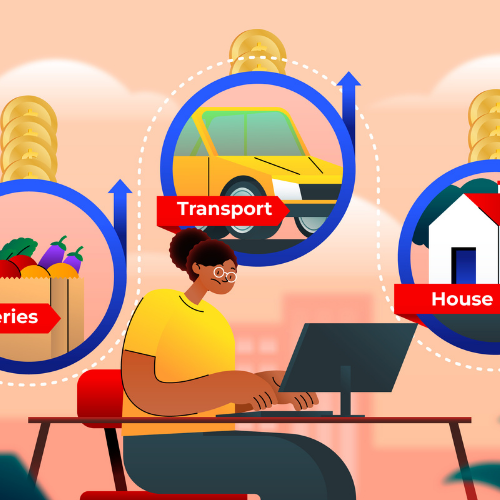
Navigating the Squeeze: How RBI’s Policy Pivot is Reshaping the Credit Landscape for India’s MSMEs For India’s vast Micro, Small, and Medium Enterprises (MSME) sector—the backbone of the economy contributing nearly 30% of GDP and employing over 110 million—the Reserve Bank of India’s (RBI) monetary policy is not an abstract economic indicator; it is a daily reality that dictates access to capital, cost of operations, and ultimately, survival. In the post-pandemic era, the RBI has embarked on a delicate balancing act: taming persistent inflation through conventional rate hikes while simultaneously trying to engineer a “soft landing” and foster a digitized, inclusive financial system. For MSMEs, this has created a dual reality—a short-term credit squeeze posing significant challenges, juxtaposed with a long-term infrastructure dividend promising transformative efficiency. Understanding this dichotomy is crucial for any MSME owner strategizing for resilience and growth in 2024 and beyond. The Policy Toolkit: Repo Rate, Risk Weights, and the Digital Push The RBI’s approach has been multi-pronged, using both traditional and innovative levers. The Repo Rate Hammer: To combat inflation, the RBI has maintained a “higher-for-longer” interest rate stance. While rates have been held steady in recent policy reviews, the cumulative increase of 250 basis points since May 2022 has significantly raised the cost of borrowing for all businesses. For MSMEs operating on thin margins, even a slight increase in loan EMIs can erode profitability and deter new investment in capacity. Risk Weight Adjustments: In a more targeted move, the RBI increased risk weights on unsecured personal loans and credit card debt for banks and NBFCs in late 2023. While aimed at curbing systemic risk from rampant unsecured lending, this had an unintended consequence. It made these consumer loan segments more capital-intensive for lenders, leading many to reallocate their capital away from what they now perceive as riskier portfolios, which can include smaller-ticket MSME loans without strong collateral. The Constructive Counterweight: Digital Public Infrastructure (DPI): Concurrently, the RBI and the government have aggressively championed India’s DPI stack—UPI, Aadhaar, and Account Aggregators (AA). Initiatives like the ‘TreDS’ (Trade Receivables Discounting System) platform for invoice financing and the integration of MSMEs into the Open Credit Enablement Network (OCEN) are designed to use data, not just collateral, to assess creditworthiness. This is a fundamental shift from relationship-based to data-driven lending. The Immediate Challenge: The Credit Squeeze and Its Impact The combined effect of higher rates and cautious lenders has created palpable pressure on the ground. Tightened Credit Flow: Traditional bank lending to MSMEs, while growing in absolute terms, has become more conservative. Banks are scrutinizing balance sheets, cash flow statements, and credit histories more rigorously than during the pandemic-era stimulus. New-to-credit and smaller micro-enterprises face the highest hurdles. The NBFC Chill: Non-Banking Financial Companies (NBFCs), which had stepped in as crucial lenders to the MSME sector, are also facing higher borrowing costs themselves and are being more selective. The risk weight adjustments have exacerbated this caution. Working Capital Woes: The rising cost and tightening availability of working capital loans force MSMEs to dip into their own reserves, delay payments to their own suppliers (creating a chain reaction), or forgo new orders—stifling growth at a time when the economy is showing resilience. The Silver Lining: The Digital Infrastructure Dividend Amidst the short-term pain, a powerful, long-term trend is offering a lifeline and a future promise: the formalization and datafication of MSME operations. Account Aggregators (AA) as Game-Changers: The AA framework allows MSMEs to securely share their digital financial data (GST returns, bank statements, UPI transaction logs) with lenders of their choice. This creates a “digital trail” that can be used to build a credit score. A small artisan or a transporter with strong digital transaction history can now prove creditworthiness without physical collateral. Embedded Finance and API-based Lending: Platforms like e-commerce marketplaces, logistics providers, and procurement networks are beginning to offer embedded credit. An MSME seller on Udaan or Amazon can receive an instant loan offer based on their sales history on that very platform. This is the promise of OCEN—making credit a seamless feature within the workflow. Efficiency Gains from Digitization: The widespread adoption of UPI for business payments, GST compliance software, and digital accounting tools is making MSMEs more transparent, efficient, and audit-ready. This operational clean-up, while sometimes burdensome, inherently makes them more bankable in the eyes of formal institutions. Case Study: “Mohan Engineering Works” – A Tale of Two Cycles Consider “Mohan Engineering Works,” a small auto components manufacturer in Pune. 2021-22 (Easy Money Era): With rates low and liquidity high, Mohan easily secured a term loan to buy two new CNC machines, betting on a post-pandemic demand surge. Growth was the sole focus. 2024 (The New Reality): His loan EMI has increased by 18%. Seeking additional working capital for a large new order, his bank asks for additional collateral he doesn’t have. Stuck, Mohan turns to his CA, who helps him register on an AA-enabled lending platform. By consenting to share his 3 years of GST returns and bank statements, the platform’s algorithm recognizes his consistent revenue and tax compliance. Within 72 hours, he receives a sanctioned working capital loan based on his digital footprint, not his physical assets. The cost is higher than a traditional bank loan, but the access is transformative. Strategic Outlook: Navigating the New Normal The RBI’s policy mix is forcing a necessary, if painful, evolution. The strategic imperative for MSMEs is twofold: Embrace Formalization and Digitization Completely: This is no longer optional. Maintaining immaculate digital records—GST, bank transactions, formal invoices—is the new currency for accessing credit. Adopting digital tools for operations and compliance is an investment in future creditworthiness. Diversify Credit Sources: Relying solely on the relationship with the local bank manager is a risky strategy. MSMEs must explore the new landscape of FinTech lenders, invoice discounting platforms like TreDS, and supply chain finance options offered by their large corporate buyers. For the RBI and policymakers, the challenge remains to ensure that the cooling measures meant for the broader economy do not frost over the green shoots of growth in the vital MSME sector. The success of India’s DPI will be judged not by its technological brilliance, but by its ability

Indian Startup Funding Trends This Year
The Great Repricing: How Profitability Replaced “Blitzscaling” as the Mantra for Indian Startups in 2024 The Indian startup ecosystem is undergoing a tectonic shift in 2024. The decade-long era of easy capital, defined by a “growth-at-all-costs” philosophy and the relentless pursuit of vanity metrics, has come to a decisive end. The funding winter that began in late 2022 has evolved into a new climate—one characterized not by a lack of capital, but by a fundamental change in its allocation. Venture capitalists and investors are no longer captivated by top-line revenue growth alone. Instead, the market has initiated a “Great Repricing,” where the premium is now squarely placed on path-to-profitability, robust unit economics, and clear governance. This is not a pause; it is a permanent reset. For founders, the playbook has been rewritten: efficiency, frugality, and sustainable scaling are the new commandments for securing funding and building enduring companies. The Data Tells the Story: A Market in Correction The numbers paint a clear picture of a market in deliberate correction. According to data from Venture Intelligence, Indian startups raised approximately $8-9 billion in the first three quarters of 2024, a figure that remains subdued compared to the peak of over $35 billion in 2021. However, the more telling metric is the dramatic decline in late-stage mega-rounds (over $100 million). Early-stage (Seed to Series A) funding has demonstrated relative resilience, indicating that investors are still betting on future potential but with far greater scrutiny. The valuation landscape has been reset. “Down rounds”—where a company raises money at a lower valuation than its previous round—are no longer taboo but a reality for many late-stage companies that expanded too aggressively. This repricing reflects a global trend but is particularly acute in India, where the exuberance of the last decade was most pronounced. The message is unambiguous: capital is available, but it is expensive and demands justification. The New Investor Checklist: F.I.T. Over Hype Gone are the days when a large TAM (Total Addressable Market) and a charismatic founder were sufficient. The 2024 investor diligence process revolves around three core pillars: Frugality, Independence, and Transparency (F.I.T.). Frugality & Unit Economics: Investors are performing microscopic examinations of a startup’s unit economics. The key questions are: What is the true Customer Acquisition Cost (CAC)? What is the Lifetime Value (LTV) of a customer? How long does it take to recover CAC? Startups that can demonstrate a clear, near-term path to positive contribution margins per unit are winning deals. Extravagant burn on marketing, discounts, and oversized teams is an immediate red flag. Independence (Path to Profitability): The expectation is no longer for perpetual fundraising. Investors want to see a realistic 18-24 month plan to achieve EBITDA breakeven or profitability with the capital being raised. This forces founders to build capital-efficient models from the outset, focusing on organic growth levers and product-led growth alongside paid marketing. Transparency & Governance: The implosions of high-profile startups like Byju’s and BharatPe have left a deep scar. Governance is now a non-negotiable. Startups with independent boards, professional CFOs, clean cap tables, and transparent, audited financials are at a significant advantage. Investors are actively pricing in “governance risk,” and startups lacking these foundations are finding doors closed. Resilient Sectors: Where the “Smart Money” is Flowing While overall funding is down, capital has not disappeared—it has become highly selective. It is concentrating in sectors with deep technology moats, alignment with national priorities, and resilient business models. Deeptech & SaaS 2.0: Indian SaaS, having proven its global mettle, is now evolving. Funding is flowing into “SaaS 2.0”—companies leveraging AI natively within their platforms (AI-first SaaS) and targeting niche, high-value verticals. Additionally, deeptech startups in space-tech, semiconductors, and advanced manufacturing are gaining traction, backed by government initiatives and strategic corporate investors. Climate Tech & Sustainable Solutions: From EV infrastructure and battery recycling to sustainable agriculture and carbon accounting platforms, climate tech is seeing a surge. This is driven by global ESG mandates, corporate procurement goals, and India’s own net-zero commitments, creating a massive addressable market with tangible impact. Financial Services & WealthTech: Beyond neo-banking, innovators in embedded finance, insurtech, and platforms democratizing investment for India’s rising middle class continue to attract capital, as they tap into the core engine of India’s formalizing economy. The Founder’s New Playbook: Embracing the “Builder” Mindset This new environment demands a different kind of founder—the “Builder” over the “Hustler.” Prioritize Revenue, Not Raises: The focus must shift from the next funding round to the next revenue milestone. Founders are exploring creative monetization, increasing Average Revenue Per User (ARPU), and building revenue streams that are not dependent on discount-led customer behavior. The “Frugal Engineer” Culture: Operational excellence is paramount. This means automating processes, optimizing cloud infrastructure costs, and building lean, cross-functional teams. The glorification of burn is over. Strategic Mergers & Acquisitions (M&A): As funding consolidates, expect increased M&A activity. Stronger startups with cash reserves will acquire competitors or complementary businesses to consolidate market share and achieve growth more efficiently than building from scratch. Strategic Outlook: A Return to Fundamentals for a Mature Ecosystem The Indian startup ecosystem is not collapsing; it is maturing. The froth has been scraped away, revealing a core of resilient, innovative, and fundamentally sound businesses. This “Great Repricing” is a healthy and necessary correction that will ultimately create a more stable and credible foundation for long-term growth. For savvy investors, this period presents a generational opportunity to back exceptional companies at realistic valuations. For founders, the challenge is greater, but the reward is the creation of truly sustainable enterprises. The era of the “unicorn at any cost” is over. Welcome to the era of the “centaur”—a startup that generates over $100 million in annual recurring revenue with a clear and profitable path forward. This is the new benchmark for success in India’s next chapter.

Impact of AI on Small Businesses in 2025
From Hype to Hyper-Efficiency: How AI is Democratizing Competitive Power for Small Businesses in 2025 For decades, cutting-edge technology was the exclusive domain of large corporations with deep pockets and dedicated IT departments. Small and medium-sized businesses (SMBs) watched from the sidelines, often outmaneuvered by the data-driven efficiency and scale of their larger rivals. That era is conclusively over. In 2025, Artificial Intelligence has undergone a profound democratization. It is no longer a speculative hype cycle but a practical, accessible, and often affordable toolkit that is fundamentally levelling the playing field. For the agile small business, AI is transforming from a buzzword into the most powerful employee you never have to train—enhancing creativity, automating drudgery, personalizing customer relationships, and unlocking operational insights that were previously invisible. This shift is not about replacing human ingenuity but augmenting it, allowing SMBs to compete on quality, service, and speed in ways that were once unimaginable. The Great Democratization: AI Tools in Every Business’s Pocket The single most significant development has been the proliferation of low-cost, no-code, and subscription-based AI platforms. A local boutique no longer needs a team of data scientists to forecast inventory; it can use an AI-powered retail analytics tool. A solo consultant can generate professional marketing copy, social media visuals, and client reports in a fraction of the time using generative AI suites. The “As-a-Service” Revolution: The SaaS (Software-as-a-Service) model has seamlessly evolved into AIaaS (AI-as-a-Service). Platforms like Jasper.ai for content, Durable.ai for website building, and Manychat for customer service allow SMBs to plug sophisticated AI capabilities into their existing workflows for a monthly fee, with zero upfront infrastructure cost. Embedded AI in Familiar Tools: Major software providers are baking AI directly into the tools SMBs already use. Microsoft Copilot integrates across the Office 365 suite, helping write emails in Outlook, analyze data in Excel, and draft documents in Word. Adobe Firefly brings generative AI to Photoshop and Express. This lowers the adoption barrier dramatically, as users don’t have to learn a new system. This accessibility means competitive advantage in 2025 is less about who can buy AI and more about who can most effectively implement and iterate with it. Beyond Chatbots: The Operational AI Revolution While AI-powered customer service chatbots remain a vital application, the true transformation is happening behind the scenes in business operations. Hyper-Personalized Marketing at Scale: AI tools can analyze customer purchase history, browsing behavior, and engagement to segment audiences with microscopic precision. A neighborhood cafe can use this to automatically send a discount for a customer’s favorite pastry on a rainy Tuesday morning, dramatically increasing conversion rates compared to generic blasts. Intelligent Financial Management: Fintechs are leveraging AI to offer SMBs services once reserved for large firms. Apps can now automate bookkeeping, categorize expenses, predict cash flow crunches weeks in advance, and even suggest optimal times to pay vendors or invoice clients based on historical data. Dynamic Pricing and Inventory Optimization: For retail and hospitality businesses, AI algorithms can analyze local demand signals, competitor pricing, weather forecasts, and even local event schedules to recommend optimal pricing and stock levels in real-time, maximizing revenue and minimizing waste. The New AI-Enabled Business Model: Agility as the Ultimate Asset The impact of AI extends beyond efficiency gains; it is enabling entirely new business models and allowing SMBs to pivot with unprecedented speed. The Micro-Specialization Opportunity: An AI-augmented graphic designer can now offer a highly specialized service—like generating infinite variations of logo concepts for A/B testing—at a competitive price. A small legal firm can use AI to review contracts in minutes, allowing them to take on more volume or focus on high-value advisory work. AI allows SMBs to compete on niche expertise. Data-Driven Decision Making: Gut feeling is being supplemented (and often surpassed) by data insight. A small manufacturer can use AI to analyze machine sensor data for predictive maintenance, preventing costly downtime. A restaurant owner can analyze sales data against promotional campaigns to understand true ROI, shifting spend in real-time. Case Study: “Artisan Bakes,” From Local Shop to Regional Brand Consider “Artisan Bakes,” a family-owned bakery with two outlets. In 2023, they struggled with inconsistent demand, leading to either stock-outs or wasted product. Their social media was sporadic, and email marketing was a manual, monthly effort. In early 2024, they implemented a three-pronged AI strategy: Inventory & Demand AI: They subscribed to a platform that integrated with their POS system, using local data (weather, holidays, school schedules) to provide daily baking quantity recommendations, reducing waste by 30%. Marketing & Content AI: They used a content tool to generate weekly social media posts, recipe ideas, and personalized email newsletters celebrating customer birthdays and anniversaries. Engagement doubled. Customer Service AI: A simple chatbot on their website and Instagram handles answered common questions about opening hours, dietary options, and order placement, freeing up staff. By late 2024, “Artisan Bakes” had not only optimized its core operations but had grown a loyal digital community. The data from their AI tools gave them the confidence to launch a subscription “bread-of-the-month” club and begin exploring a third location. Their story exemplifies the transition from a reactive local business to a proactive, data-informed regional brand. Navigating the Risks and Building a Sustainable AI Strategy The integration of AI is not without its challenges. SMBs must be vigilant about: Data Privacy and Security: Using AI tools often means feeding them business and customer data. It is critical to choose reputable vendors with clear, compliant data policies. The “Black Box” Problem: Over-reliance on AI recommendations without human oversight can be risky. Business owners must maintain a critical understanding of their operations. The Human Touch Imperative: AI should enhance, not replace, the authentic human connection that is often the core strength of a small business. The most successful SMBs will use AI to handle routine tasks, freeing up human capital for creative strategy, complex problem-solving, and genuine customer relationship building. Strategic Outlook: The Augmented Entrepreneur The narrative for 2025 is clear: AI is the definitive force multiplier for small businesses. The cost of entry has plummeted, and the potential for return on investment—in time saved, revenue gained, and insight unlocked—has skyrocketed. The winners in this new landscape

The End of Globalization as We Know It: How Regional Powerhouses Are Reshaping the World Economy
For half a century, the dominant business mantra was “globalize or perish.” Supply chains stretched across oceans, corporations sought the lowest-cost labor, and capital flowed freely across borders. This era of hyper-globalization, characterized by just-in-time production and frictionless trade, is over. The triple shock of a pandemic, geopolitical tensions, and climate disruptions has shattered the consensus. We are now witnessing the Great Reconfiguration—a decisive shift from a single, integrated global economy to a world of competing regional blocs. For business leaders, this isn’t a temporary disruption; it is the new, permanent operating environment where resilience will trump efficiency, and regional mastery will be more valuable than global scale. The Three Fault Lines Fracturing the Global System This historic shift is not being driven by a single event but by the convergence of three powerful, structural forces. The Geopolitical Rupture: The war in Ukraine and the strategic competition between the U.S. and China have turned economic interdependence into a vulnerability. Trade is now a tool of national security. The U.S. CHIPS and Science Act, which provides $52 billion for semiconductor manufacturing within its borders, is a stark declaration that control over critical technologies is more important than the cost savings of offshore production. This has triggered a wave of “friend-shoring” and “near-shoring,” where companies are relocating production to politically aligned or geographically proximate countries. The Resilience Reckoning: The COVID-19 pandemic exposed the profound fragility of elongated supply chains. When a lockdown in Wuhan could halt production in Germany, the efficiency of just-in-time manufacturing revealed itself as a catastrophic single point of failure. Similarly, climate change is causing more frequent and severe disruptions, from droughts paralyzing shipping on the Rhine River to hurricanes shutting down chemical plants in the Gulf of Mexico. Companies are now building redundancy, holding more inventory, and diversifying suppliers, even if it means accepting higher costs. The Sustainability Imperative: The carbon footprint of global shipping and air freight is coming under intense scrutiny from regulators, investors, and consumers. A product manufactured in Asia, assembled in Eastern Europe, and sold in North America carries a heavy, often hidden, carbon cost. Regionalized supply chains are inherently shorter and greener, aligning with both corporate sustainability goals and emerging carbon border taxes, like the EU’s Carbon Border Adjustment Mechanism (CBAM). The Rise of the “Tri-Polar” World Economy The new global order is coalescing around three dominant, semi-autonomous economic spheres, each with its own center of gravity, trade rules, and technological standards. The Americas Bloc: Centered on the United States, this bloc is reforging supply chains across North and South America through agreements like the US-Mexico-Canada Agreement (USMCA). The goal is to create a hemisphere-wide ecosystem for everything from electric vehicle batteries (with lithium from Chile and Argentina) to semiconductors (with advanced packaging in Mexico and the U.S.). The European Bloc: The European Union, fortified by its collective response to the energy crisis, is deepening its single market and aggressively pursuing “strategic autonomy.” Through the European Chips Act and the Green Deal Industrial Plan, the EU is using its regulatory and financial muscle to onshore the production of critical goods, from clean tech to pharmaceuticals, reducing its dependence on both the U.S. and China. The Asia-Centric Bloc: Led by China, this sphere is consolidating through the Regional Comprehensive Economic Partnership (RCEP), the world’s largest free trade bloc. China is leveraging its Belt and Road Initiative to bind countries in Southeast Asia, Africa, and the Middle East into a China-centric network for raw materials, manufacturing, and infrastructure, creating an alternative to the Western-led order. The Corporate Playbook: From Global to Regional Champions This new reality demands a radical overhaul of corporate strategy. The “one-size-fits-all” global approach is obsolete. The winning playbook now involves: “In Region, For Region” Manufacturing: The most successful multinationals are building self-sufficient, mini-operations within each major bloc. A company like Toyota no longer builds a single model in one mega-factory for global export. It produces the Camry in Kentucky for North America, the Corolla in Thailand for Southeast Asia, and the Yaris in France for Europe. Each regional hub has its own localized supply chain, insulating it from disruptions elsewhere. The “Multi-Domestic” Talent Strategy: The war for talent is also going regional. Companies can no longer rely on a central HQ to dictate culture and process. They must empower local leadership, adapt to regional labor laws and workplace norms, and develop talent pipelines within each bloc. A leadership style that works in Silicon Valley may fail spectacularly in Stuttgart or Shenzhen. The Rise of Regional Champions: This environment creates a golden opportunity for strong local companies that deeply understand their home turf. While global giants are distracted by the complexity of managing three separate systems, a regional player like India’s Reliance Industries or Latin America’s Mercado Libre can dominate its market by being more agile, more culturally attuned, and less exposed to geopolitical crossfire. The Investment Implications: A New Map for Capital Allocation For investors, the reconfiguration of the global economy redraws the map of opportunity and risk. The Demise of the Pure Global Index Fund: A passive strategy that simply buys a global index is now a bet on a bygone era. Investors must be more deliberate, overweighting regions with strong internal growth dynamics and stable political environments. This might mean a dedicated allocation to ASEAN markets or North American industrial and logistics REITs. The “Re-shoring” and “Near-shoring” Winners: A massive capital expenditure cycle is underway as companies build new factories and warehouses closer to home. This benefits: Industrial Real Estate: Warehouse and factory owners in nearshoring hotspots like Mexico and Eastern Europe. Engineering and Construction Firms: Companies that build the new infrastructure. Automation and Robotics Providers: As labor costs rise in nearshore locations, companies will invest heavily in automation to maintain margins. The Logistics Re-think: The companies that move goods are facing their own revolution. The boom in long-haul container shipping may slow, while regional air freight, rail, and trucking within the blocs will see growth. Logistics giants like Maersk and DHL are already pivoting from being global movers to becoming managers of complex regional ecosystems. Case Study: The Great Auto Industry Reset The automotive industry provides

The Phantom Balance Sheet: How Intangible Assets Are Redefining Corporate Value
Walk through the headquarters of the world’s most valuable companies—Meta, Google, Pfizer—and what do you actually see? Some desks, computers, and coffee machines. The real sources of their trillion-dollar valuations are invisible. They are the algorithms, patents, brand loyalty, and proprietary data that exist nowhere as a physical object. This is the rise of the Intangible Economy, a seismic shift where over 90% of the S&P 500’s market value now resides in assets you cannot touch. For investors, leaders, and policymakers, this creates a fundamental problem: our entire financial and accounting system was built for a world of factories and inventory, not for one of software and brand value. We are flying blind in the most important sector of the economy, navigating by a map that shows only the mountains while ignoring the air we breathe. The Four Pillars of the Intangible Revolution Intangible assets are not new, but their scale and dominance are. They can be categorized into four key pillars that form the bedrock of modern corporate power. Digital Capital: This is the software, algorithms, and proprietary platforms that form a company’s digital nervous system. Amazon’s recommendation engine, Netflix’s content algorithm, and Salesforce’s CRM platform are not just tools; they are primary assets that create immense competitive moats and scale with zero marginal cost. Intellectual Property (IP): This includes patents, copyrights, and trademarks. For a company like Pfizer, the patent on a blockbuster drug like Paxlovid is worth more than all its physical laboratories combined. For Disney, the copyrights to its iconic characters and stories form an inexhaustible reservoir of value. Human and Organizational Capital: This encompasses the knowledge, skills, and collaborative processes of a workforce. It’s the unique agile methodology at Spotify, the design thinking culture at Apple, and the collective expertise of researchers at Moderna. This is the most fragile yet valuable of all intangibles—it walks out the door every night. Brand and Relationship Capital: The trust and loyalty embedded in a brand name like Coca-Cola or Nike represents a colossal asset. This also includes network effects—the value of a platform like LinkedIn or Uber increases with each additional user, creating a winner-take-most dynamic that is almost impossible for competitors to breach. The Accounting Abyss: When GAAP Becomes Irrelevant The fundamental problem with the intangible revolution is that our accounting system is structurally unequipped to handle it. Generally Accepted Accounting Principles (GAAP) were designed for the industrial age, creating a dangerous disconnect between a company’s book value and its market value. The R&D Paradox: Under current rules, money spent on research and development—the very activity that creates the most valuable intangible assets—must be expensed on the income statement, immediately reducing reported profits. This creates a perverse incentive for public companies to underinvest in the innovation that secures their future, lest they punish their quarterly earnings. The Balance Sheet Void: When a company develops a world-changing algorithm internally, it appears nowhere on its balance sheet. Yet if it acquires a smaller company that owns a similar algorithm, the purchase price is recorded as an asset (goodwill). This creates a bizarre reality where acquired innovation is valued, but homegrown innovation is treated as an expense. The Misleading Metrics: Traditional valuation metrics like Price-to-Book (P/B) ratio have become almost meaningless. A company like Amazon trades at a P/B ratio of over 8, while a traditional industrial company might trade at 1.5. This doesn’t mean Amazon is overvalued; it means the book value metric has been rendered obsolete by the nature of its assets. The Investment Conundrum: Valuing the Invisible This accounting failure creates a minefield for investors. How do you value what you can’t see and what the company isn’t allowed to count? The Rise of New KPIs: Sophisticated investors have moved beyond earnings per share to focus on proprietary metrics that proxy for intangible value. For a software company, this might be Customer Lifetime Value (LTV), Monthly Recurring Revenue (MRR), or net dollar retention. For a social media platform, it’s daily active users and average revenue per user (ARPU). The “Knowledge Intensity” Premium: Investors are learning to assess the “knowledge intensity” of a business. They look at the percentage of employees in R&D roles, the rate of patent filings, and the investment in employee training as indicators of intangible asset creation. A company that can demonstrate it is a “learning organization” commands a market premium. The Scourge of Intangible-Intensive Frauds: The opacity of intangible assets also creates fertile ground for fraud. The Theranos scandal was a catastrophic example of intangible value based on false promises. Without physical products generating revenue, the company built a $9 billion valuation on patents and trade secrets that were pure fiction. The difficulty of verifying intangible claims makes due diligence more critical than ever. The Strategic Imperative: Managing What You Can’t Measure For corporate leaders, the intangible economy demands a completely new management playbook. You cannot manage what you don’t measure, and you cannot measure what your accounting system ignores. Cultivate, Don’t Just Cut: The primary management instinct in the industrial age was cost-cutting. In the intangible age, it is cultivation. This means investing in employee skill development (building human capital), fostering a culture of innovation (building organizational capital), and protecting brand reputation at all costs. Embrace “Open” Innovation with Guardrails: The most valuable intangibles often emerge from ecosystems, not just internal R&D. Companies like Tesla open-sourcing its patents strategically strengthened the entire electric vehicle ecosystem, which in turn boosted the value of its own platform. The key is to share in ways that build network effects without giving away the crown jewels. Treat Data as a Strategic Asset, Not a Byproduct: Most companies sit on mountains of data but treat it as a waste product of operations. Leading companies treat data as a primary asset to be curated, protected, and leveraged. They have a Chief Data Officer who manages data with the same rigor a CFO manages cash. Communicate Intangible Value to Investors: Since GAAP won’t do it for you, companies must proactively tell their intangible story. This means hosting “Analyst Days” focused on innovation pipelines, disclosing non-GAAP metrics that reflect their key intangible drivers, and providing transparency into R&D productivity. Case Study: Microsoft’s Intangible Renaissance Microsoft’s dramatic resurgence under CEO Satya Nadella is a masterclass in

The Silent Scandal: How Corporate Greenhushing is Undermining the Climate Fight
Just a few years ago, corporate sustainability was loud and proud. CEOs touted net-zero pledges in splashy advertisements, and ESG (Environmental, Social, and Governance) reports grew thicker than annual financial statements. But a strange quiet has fallen over the corporate world. Ambitious climate goals are being softened. Sustainability pages are being scrubbed from websites. Press releases about environmental commitments have dwindled. This is not a sign of failure; it is a calculated corporate strategy known as Greenhushing. In an era of intense political polarization, regulatory uncertainty, and fears of litigation, companies are deliberately downplaying their climate ambitions to avoid scrutiny. This silent retreat from public accountability may be the greatest threat to global climate progress—and a massive strategic miscalculation by the business world. The Three Drivers of the Great Corporate Silence Greenhushing is not an accident. It is a rational, if shortsighted, response to a perfect storm of external pressures that have made sustainability a dangerous topic. The Anti-ESG Political Backlash: In the United States, what was once a bipartisan issue has become a political battleground. States like Texas and Florida have passed laws barring state pension funds from investing in companies that use ESG criteria. Politicians have launched high-profile attacks on “woke capitalism,” framing sustainability as a cultural issue rather than a risk management one. For many boardrooms, the path of least resistance is to simply stop talking about it, avoiding the ire of politicians and certain investor groups. The Fear of “Greenwashing” Litigation: As regulators and activists become more sophisticated, the legal risks of overpromising have skyrocketed. The Dutch Advertising Code Committee has fined companies for vague claims like “carbon neutral.” The U.S. Securities and Exchange Commission (SEC) is cracking down on misleading climate disclosures. Companies are terrified that any public goal, if missed, could lead to a class-action lawsuit for misleading investors or consumers. The new corporate logic is brutal: if you can’t be perfect, it’s safer to say nothing at all. The Regulatory Whiplash and Lack of Standardization: The landscape of sustainability reporting is a confusing patchwork. The EU has its Corporate Sustainability Reporting Directive (CSRD), the SEC is finalizing its own rules, and other jurisdictions are following suit. This lack of a single, global standard creates uncertainty. Companies are unsure what they will be forced to disclose, so they are preemptively retracting voluntary commitments to avoid future liability or the cost of reconciling multiple reporting frameworks. The Devious Mechanics of Greenhushing Greenhushing is rarely a full-scale abandonment of climate initiatives. More often, it is a subtle, nuanced strategy of obfuscation and downplaying. The Semantic Retreat: Watch for the careful softening of language. “Net-Zero by 2030” becomes “Climate Positive by 2040.” “100% Renewable Energy” becomes “Exploring pathways to reduce our carbon footprint.” The goals are moved, the timelines are extended, and the language is made deliberately vague to provide legal and reputational wiggle room. The Website Purge: The most visible sign is the quiet removal of detailed sustainability data from corporate websites. Ambitious dashboards tracking real-time progress are taken offline. Comprehensive ESG reports are replaced with brief, high-level statements that are strong on aspiration but weak on measurable, time-bound commitments. The “Quiet Quitting” of Climate Goals: A company may continue its internal sustainability work but simply stop talking about it publicly. They might install solar panels on a warehouse or optimize a supply chain for efficiency, but you won’t hear about it in their annual report. The action continues, but the accountability and transparency vanish. The Catastrophic Costs of Corporate Silence While greenhushing may feel like a safe short-term tactic, it carries devastating long-term consequences for both the planet and the companies themselves. The Systemic Slowdown of Decarbonization: Climate action requires a whole-of-economy effort. When industry leaders stop publicly championing clean technology and setting aggressive procurement standards, it slows down the entire ecosystem. It reduces competitive pressure on laggards and signals to the market that demand for green innovation is waning, thereby stifling investment in critical solutions. The Erosion of Trust and Brand Value: Consumers and employees, particularly younger generations, are increasingly aligning their loyalties with their values. A 2025 study by GreenBiz found that 68% of Gen Z employees would prefer to work for a company with strong, transparent environmental credentials. When a company is caught greenhushing—when internal leaks or regulatory filings reveal they are doing more than they claim—the resulting scandal of perceived deceit can be far more damaging than falling short of a public goal. The Blindfolded Investor: The withdrawal of sustainability data creates a critical information gap for the financial community. Investors are increasingly using ESG metrics to assess long-term risk. How is a company preparing for a carbon tax? How resilient is its supply chain to climate disruptions? Greenhushing makes a company look like a black box, increasing its perceived risk and potentially raising its cost of capital. The Strategic Alternative: Radical Transparency and “Green Realism” The solution to the greenhushing epidemic is not a return to empty boasting. It is a new paradigm of Radical Transparency and Green Realism that builds credibility instead of destroying it. Embrace “Scope 3” Accounting and Be Honest About the Struggle: The biggest challenge for most companies is their indirect “Scope 3” emissions from their supply chain and customers. Instead of hiding this, leading companies are openly mapping these emissions, disclosing the methodology, and being candid about the difficulties in reducing them. This honesty is disarming and builds trust. Report on the Journey, Not Just the Destination: Companies should shift their communication from static goals to dynamic progress reports. A “Sustainability Journey” page that shows quarterly updates—including setbacks and lessons learned—is far more credible than a glossy report promising a perfect future. Advocate for Smart Regulation: Instead of hiding from new rules, proactive companies are engaging with regulators to help shape clear, consistent, and achievable standards. This provides the level playing field they need and reduces the fear of being singled out. Focus on “Climate Resilience” as a Business Continuity Issue: Frame climate action not as a moral imperative, but as a core business strategy for resilience. How is the company hardening

The Invisible Factory: How Digital Twins Are Revolutionizing Business Operations
Imagine being able to run a million simulations of a new factory layout before pouring a single foundation. Or stress-testing a global supply chain against a dozen different pandemic scenarios. Or predicting a mechanical failure in a jet engine weeks before it happens. This is not science fiction; it is the operational reality for companies leading the fourth industrial revolution. They are building Digital Twins—dynamic, virtual replicas of physical assets, processes, and systems that are changing the very nature of management from reactive to predictive, and from guesswork to certainty. We are entering the age of the Invisible Factory, where the most important business decisions are being made not in the boardroom, but inside a hyper-realistic digital simulation. Beyond a 3D Model: The Anatomy of a True Digital Twin A Digital Twin is far more than a sophisticated Computer-Aided Design (CAD) model. It is a living, breathing digital entity that evolves with its physical counterpart. Its power comes from a continuous, bidirectional flow of data. The Physical Asset: This is the real-world object—a wind turbine, a production line, a human heart, or an entire city. The Virtual Model: This is the high-fidelity digital copy, built using engineering data, IoT sensor inputs, and historical performance records. The Connecting Data Link: A constant stream of real-time data from IoT sensors, operational systems, and external sources (like weather or market data) flows from the physical asset to the virtual model, keeping it perfectly synchronized. The AI Brain: Machine learning algorithms and simulation software analyze the data within the virtual model. They can identify patterns, predict outcomes, and run “what-if” scenarios without any risk to the physical asset. This creates a closed-loop system. Insights from the virtual model are fed back to the physical world in the form of optimized instructions, predictive maintenance alerts, or design improvements for the next generation of the asset. The Business Revolution: From Reactive to Predictive and Beyond The applications of Digital Twins are dismantling operational silos and creating value across every major industry, transforming core business functions. 1. Manufacturing: The Birth of the Autonomous FactoryIn manufacturing, Digital Twins are the cornerstone of Industry 4.0. Predictive Maintenance: Instead of following a fixed schedule or waiting for a machine to break, companies like Siemens use Digital Twins to monitor the real-time health of equipment. The twin can predict a bearing failure days or weeks in advance, scheduling maintenance at the least disruptive time and avoiding catastrophic downtime that can cost millions per hour. Process Optimization: A Digital Twin of an entire production line can simulate the impact of changing variables—line speed, raw material quality, ambient temperature. It can identify bottlenecks invisible to the human eye and recommend adjustments to maximize throughput and yield. 2. Supply Chain and Logistics: Taming the ChaosThe modern supply chain is a complex, fragile web. A Digital Twin can replicate this entire network. Risk Mitigation and Resilience: Companies like Amazon and Maersk use supply chain twins to simulate disruptions—a port closure, a hurricane, a supplier bankruptcy. By running thousands of scenarios, they can identify vulnerabilities and pre-position inventory or develop alternative routes, building a supply chain that is not just efficient, but antifragile. Warehouse Optimization: A twin of a fulfillment center can simulate different layouts, robotics paths, and picking algorithms to find the optimal configuration for speed and cost, all before rearranging a single shelf. 3. Product Development and R&D: Failing Fast in the Virtual WorldThe traditional product development cycle is slow and expensive. Digital Twins compress it dramatically. Virtual Prototyping: Tesla creates a digital twin for every vehicle it designs. They can crash-test it thousands of times virtually, tweaking materials and structures to meet safety standards at a fraction of the cost and time of building physical prototypes. Personalized Products: In healthcare, a surgeon can practice a complex procedure on a digital twin of a patient’s specific organ, created from their MRI or CT scan data. This personalized simulation reduces risk and improves surgical outcomes. The Urban Revolution: Building Smarter, More Livable Cities The scale of Digital Twins is expanding to encompass some of the largest and most complex systems on Earth: our cities. Singapore’s Virtual Clone: The city-state has developed “Virtual Singapore,” a dynamic 3D model of the entire country. Urban planners use it to simulate pedestrian traffic flow, test the environmental impact of new skyscrapers on wind patterns, and optimize emergency response routes. Energy Management: A digital twin of a city’s power grid can simulate demand spikes, integrate renewable energy sources, and prevent blackouts by dynamically rerouting power. The Implementation Challenge: The Data Foundation The promise of Digital Twins is immense, but their implementation is fraught with challenges. The single greatest barrier is data. Data Silos: For a twin to be effective, it needs data from across the organization—from engineering, operations, supply chain, and finance. Breaking down these silos is a cultural and technical battle. Data Quality and Integration: A Digital Twin is only as good as the data it receives. Inconsistent, incomplete, or low-quality data from legacy systems creates a “garbage in, garbage out” scenario, rendering the twin useless or, worse, misleading. The Skills Gap: Building and maintaining Digital Twins requires a rare blend of skills: data science, domain-specific expertise (e.g., engineering), and software development. This talent is scarce and expensive. Case Study: Rolls-Royce’s “Power-by-the-Hour” Rolls-Royce’s business model for its jet engines is a classic example of a Digital Twin in action. They don’t just sell engines; they sell “TotalCare” service, charging airlines for “Power-by-the-Hour.” The profitability of this model depends on maximizing engine uptime and minimizing unscheduled maintenance. This is achieved through a Digital Twin of every engine in operation. Real-time data on thrust, temperature, and vibration is streamed from the engines in flight to their virtual counterparts on the ground. The AI analyzes this data to predict maintenance needs with pinpoint accuracy, allowing Rolls-Royce to schedule repairs during planned ground time and ensuring their customers’ planes are rarely grounded. The Digital Twin isn’t a side project; it is the business model. Strategic Outlook: The Convergence of Twins and the Metaverse The future of Digital Twins lies in their convergence with other transformative technologies. The Industrial Metaverse: Digital

The Empathy Economy: Why Emotional Intelligence is the New Currency of Corporate Power
For decades, the corporate playbook celebrated the ruthless leader—the iron-fisted CEO who prioritized margins over morale, viewing empathy as a weakness in the cutthroat arena of business. That paradigm is collapsing. In the hyper-connected, talent-driven landscape of 2025, a new currency is determining which companies thrive and which merely survive: Emotional Intelligence (EQ). We are entering the Empathy Economy, a fundamental shift where the ability to understand, connect with, and inspire human beings is no longer a “nice-to-have” HR initiative but the core driver of innovation, resilience, and market valuation. The future belongs not to the sharpest negotiators, but to the most perceptive leaders. The Business Case for Feeling: From Cost Center to Profit Driver The elevation of EQ from a peripheral soft skill to a central strategic pillar is being driven by an undeniable financial and operational logic. The data is no longer ambiguous. The Talent Retention Imperative: The cost of employee turnover is staggering—often ranging from 50% to 200% of an employee’s annual salary. In an era of “quiet quitting” and rampant disengagement, empathetic leadership is the ultimate antidote. A study by the Center for Creative Leadership found that managers rated as empathetic by their subordinates were rated as higher performers by their own bosses. Employees who feel heard, understood, and valued do not leave. They become loyal brand ambassadors, reducing recruitment costs and preserving institutional knowledge. The Innovation Catalyst: Psychological safety—a belief that one will not be punished for making a mistake—is the bedrock of innovation. It is a concept pioneered by Harvard’s Amy Edmondson and popularized by Google’s Project Aristotle, which found it to be the number one factor in successful teams. Empathetic leaders create this safety. They foster an environment where diverse perspectives are welcomed, where “dumb” questions can be asked, and where failure is treated as a learning opportunity, not a career-ender. This is where breakthrough ideas are born. The Customer Connection Engine: In a market saturated with similar products and services, the customer experience is the final frontier of differentiation. Empathy is the engine of customer-centricity. Companies like USAA in insurance and Ritz-Carlton in hospitality have built legendary brands and fanatical customer loyalty by empowering their frontline employees to use empathy to solve problems. They don’t just follow a script; they connect with the human being on the other end of the interaction, creating emotional loyalty that price cuts cannot erase. The Anatomy of an Empathetic Organization Building an empathetic company is not about installing a meditation room or holding a single workshop. It requires a systemic rewiring of corporate structures, processes, and, most importantly, leadership behaviors. Listening as a Core Competency: This moves beyond annual surveys. It involves creating continuous, psychologically safe feedback loops. This can take the form of regular, anonymous “pulse” checks, “stay interviews” to understand what makes top performers happy, and leaders who practice “management by walking around” with genuine curiosity, not just oversight. Radical Transparency and Vulnerability: Empathetic leaders model the behavior they want to see. They are transparent about challenges the company faces, admit their own mistakes, and show vulnerability. This humanizes them, builds trust, and gives employees permission to be their whole selves at work. This shatters the facade of the infallible executive and builds a culture of authentic connection. Data-Driven Empathy: The tools of the Empathy Economy are becoming increasingly sophisticated. Organizational Network Analysis (ONA) can map the informal connections and collaboration patterns within a company, identifying bottlenecks and isolated teams. AI-powered sentiment analysis of internal communications can provide leaders with an early-warning system for burnout and disengagement, allowing for proactive intervention. The New Leadership Mandate: From Commander to Coach The role of a manager is undergoing its most significant transformation since the Industrial Revolution. The outdated “command-and-control” model is being replaced by the “connect-and-collaborate” model. The Coach-Leader: The modern manager’s primary role is that of a coach: to unlock potential, remove obstacles, and provide context. This requires high levels of empathy to understand each team member’s unique motivations, strengths, and developmental areas. It’s about asking powerful questions, not just giving orders. Empathy in Decision-Making: Every major corporate decision—from a restructuring to a new product launch—has a human impact. Empathetic leaders actively consider this impact. They ask: “How will this change affect our employees’ well-being? How will our customers feel? What are the unintended human consequences?” This leads to more sustainable, less disruptive, and ultimately more successful implementations. Conflict as a Source of Value: In a low-empathy environment, conflict is suppressed or becomes toxic. In a high-EQ environment, conflict is reframed as a source of creative tension. Empathetic leaders facilitate difficult conversations, ensuring all voices are heard and guiding teams toward integrative solutions that respect different viewpoints. Case Study: Microsoft’s Cultural Transformation When Satya Nadella took over as CEO of Microsoft in 2014, the company was known for its internal politics and “know-it-all” culture. Nadella’s first order of business was to champion a “learn-it-all” culture built on empathy. He began by asking managers to truly listen to customer needs and employee feedback. He openly discussed his personal journey as a parent of a child with special needs, linking it to the need for building accessible technology. This focus on empathy was not a side project; it was the central strategy. The result? Microsoft shed its stagnant, bureaucratic skin, rediscovered its innovation mojo, and saw its market valuation increase nearly tenfold, making it one of the most valuable companies in the world. The turnaround is a masterclass in the financial power of empathetic leadership. The Limits and Dangers: Empathy Without Boundaries While crucial, empathy is not a panacea. Misapplied, it can become a liability. Empathy Burnout: Leaders, particularly in caring professions, can suffer from compassion fatigue, where the constant emotional labor leads to exhaustion and decreased effectiveness. Organizations must teach sustainable empathy, which includes self-care and boundary-setting. The Paralysis of Consensus: An overemphasis on harmony and feeling can lead to decision-making paralysis. The goal is not to make everyone happy, but to ensure everyone feels heard before a clear, timely decision is made. Empathy vs. Accountability: Empathy cannot be an excuse for low